
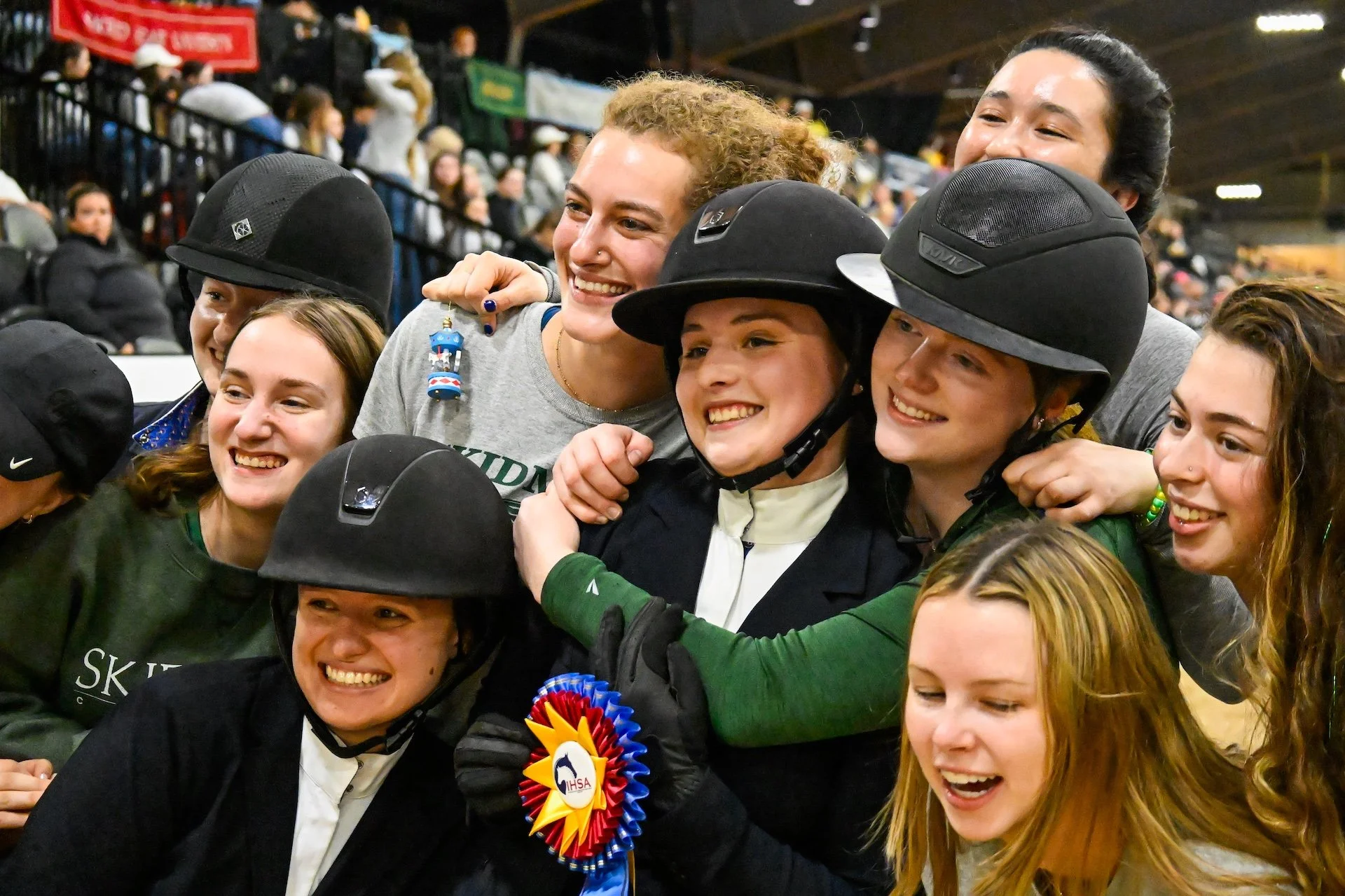
ABOUT THE IHSA
Where forever friendships are made
IHSA HISTORY
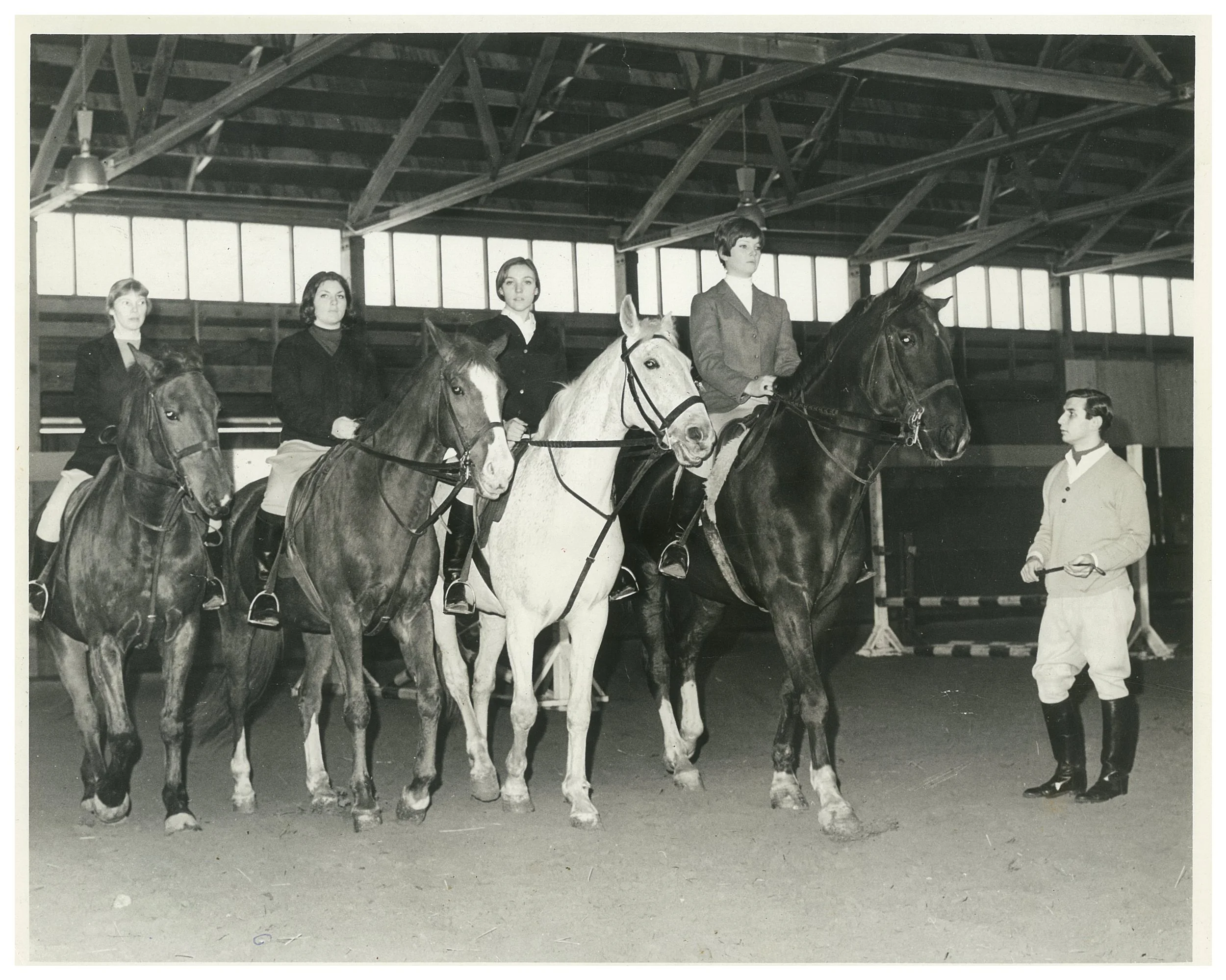
The Intercollegiate Horse Shows Association was established in 1967 by Robert “Bob” Cacchione while an 18-year-old sophomore attending Farleigh Dickinson University in Teaneck, New Jersey. Cacchione developed the prototype competition program with the help of his professor and renowned horseman Jack Fritz.
Launched with just two colleges competing in hunter seat equitation, the IHSA was praised for its innovative competition format and quickly caught on. In 1979, the Western divisions premiered at the IHSA National Championship Horse Show (Nationals). In 1999, Intercollegiate Horse Shows Association, Inc. was established as a 501(c)(3) nonprofit organization.
THE IHSA TODAY
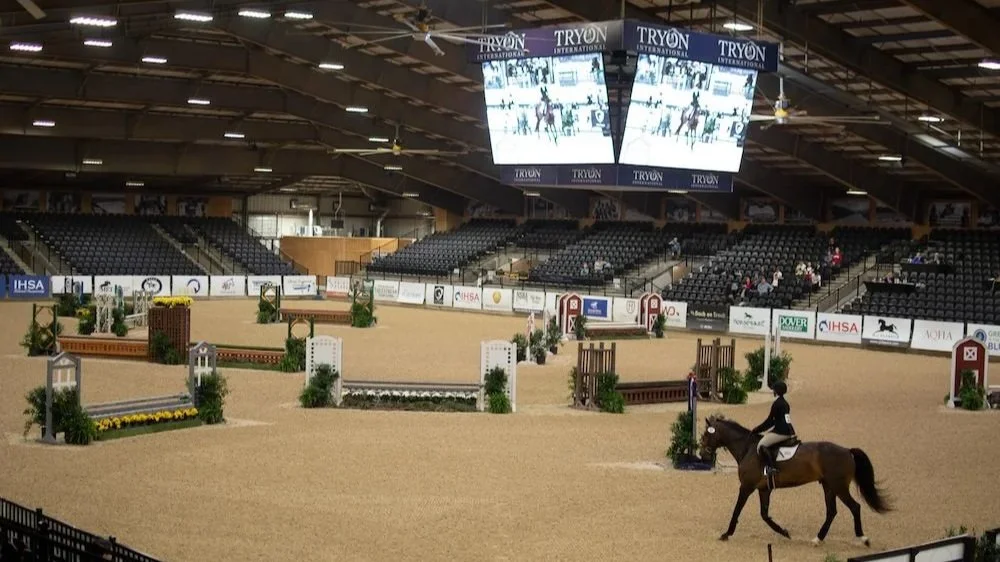
IHSA now encompasses 36 Regions in 8 Zones with over 350 member colleges in 45 states and Canada, and represents 7,500 members in hunter seat equitation on the flat and over fences, Western horsemanship, ranch riding and reining. IHSA holds its National Championship the first weekend in May at a major venue like Tryon International, Harrisburg or the Kentucky Horse Park.
Life Lessons 101
The IHSA partnered with Equine Network to create "Life Lessons 101," a documentary featuring three IHSA alumni sharing what their IHSA experience meant to them.
THE IHSA MISSION
The mission of the IHSA is to provide equestrian competition for all college and university students regardless of riding level, gender, race, sexual orientation or financial status. The IHSA is dedicated to promoting sportsmanship, horsemanship and academic excellence.
DIVERSITY, EQUITY & INCLUSION
IHSA embraces diversity, equity and inclusion and strives to create a welcoming environment for all members to thrive, grow and build lifelong connections.
IHSA COMPETITION
IHSA welcomes beginners through advanced riders in the hunter and Western disciplines to compete individually or on a team. All genders compete with and against each other.
IHSA eliminates the expenses of horse ownership. Horses are furnished by host colleges and are chosen by drawing lots. The use of personal tack is not allowed and schooling is not permitted. The format fairly tests the horsemanship of the athletes. Divisions range from Beginner to the Open Division for the more experienced riders.