
INTERESTED IN COMPETING ON A RIDING TEAM IN COLLEGE?
TIPS FOR COLLEGE-BOUND EQUESTRIANS
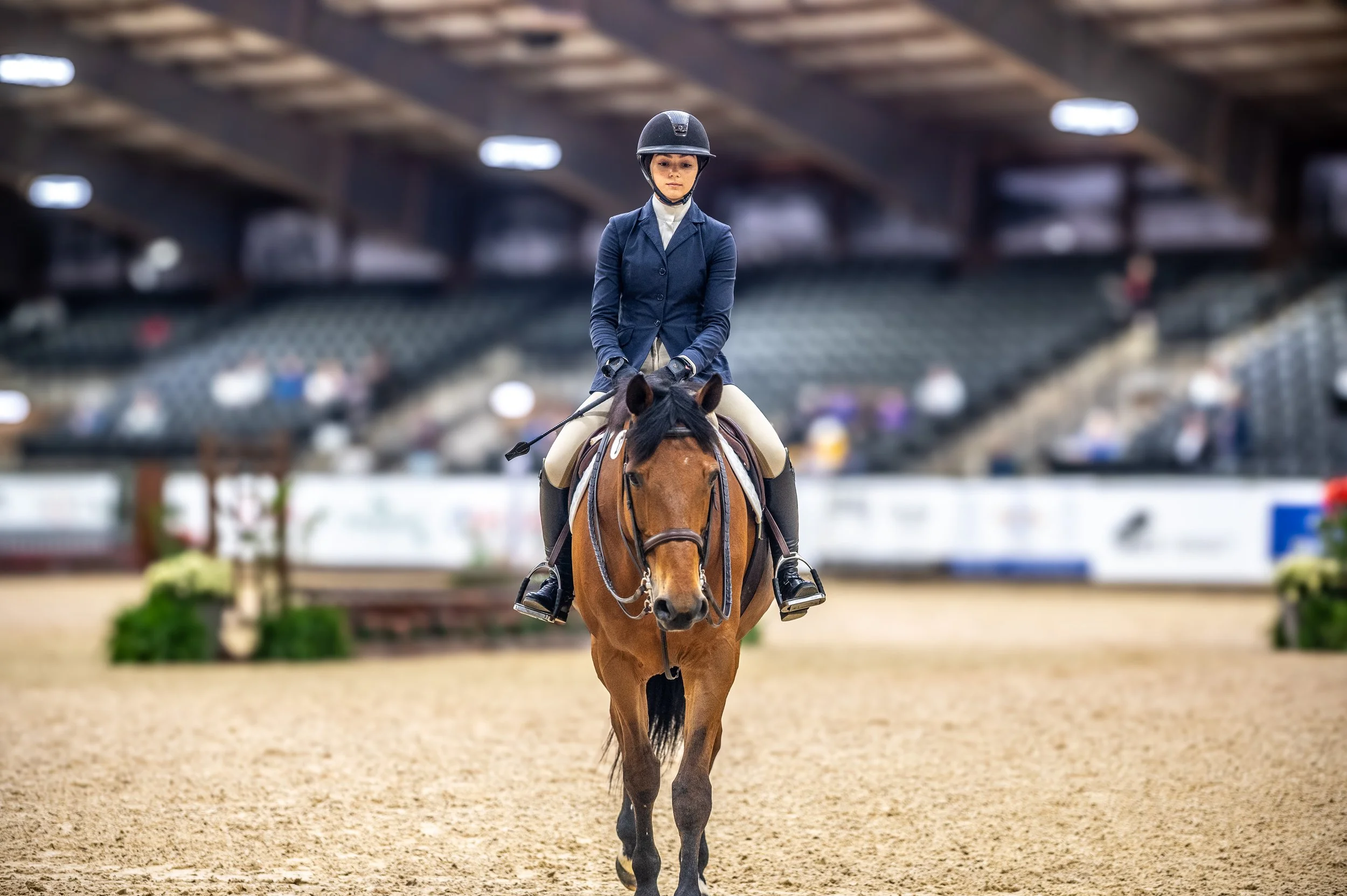
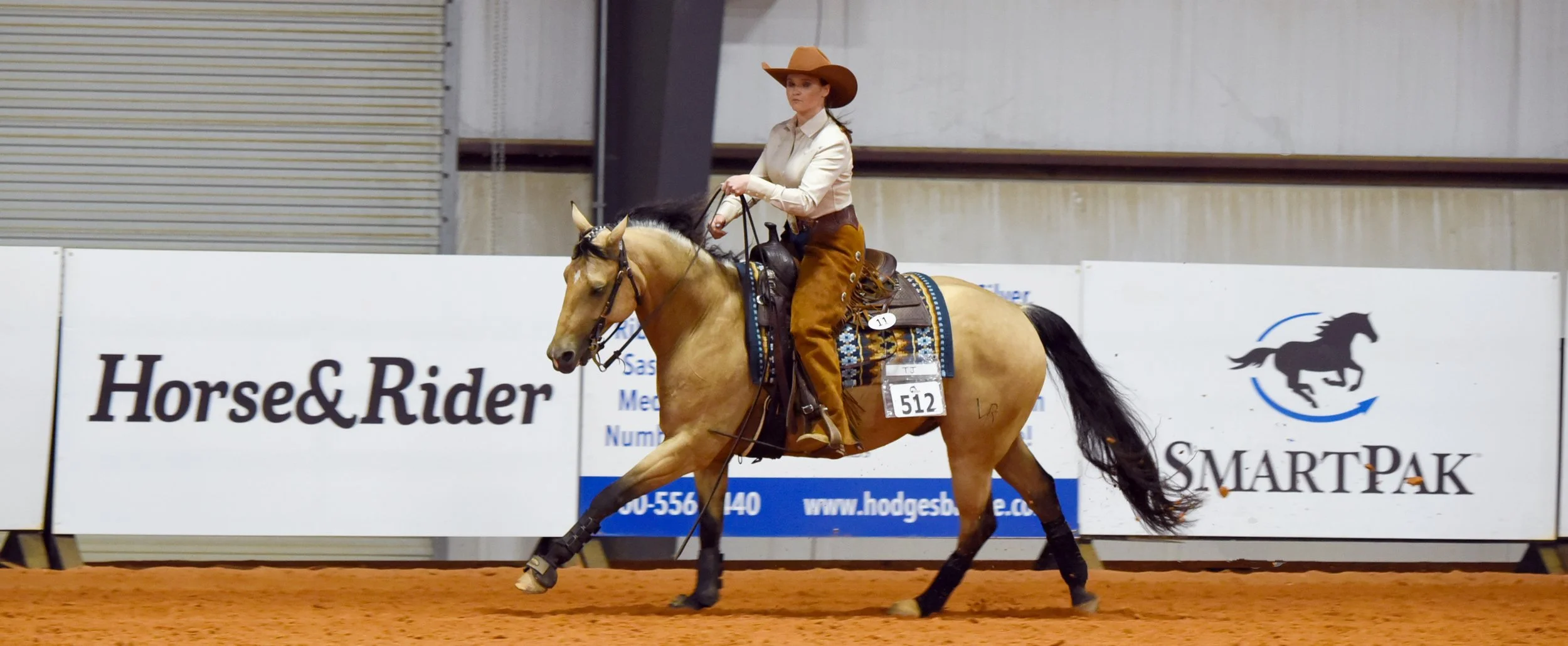
The IHSA welcomes full-time undergraduate students of all genders to participate in both English (hunter seat equitation) and Western (Western horsemanship, ranch riding and reining) disciplines within a format designed for riders at all levels of experience. At IHSA competitions, show hosts provide horses for competing riders, assigning horses via random draw. This format eliminates the expense of owning or transporting a horse and brings intercollegiate equestrian competition within financial reach of over 8,000 college and university students each year in the United States and Canada. IHSA membership is open to all colleges, universities and junior colleges.
Currently, there are over 400 teams recognized by their institution as varsity or club under the umbrella of NCAA division I, II or III programs, NAIA (National Association of Intercollegiate Athletics) programs or NJCAA (National Junior College Athletic Association) programs and other sanctioned academic and club sport programs.
-
To determine the IHSA level that you are currently eligible for, download the Rider Placement Worksheet and answer the questions for each discipline. The last question that you answer “yes” to in each class will identify your competition level. Keep in mind this is a preliminary gauge. If you join an IHSA team in college, you will go through an official rider placement process. You will find a complete description for each IHSA class offered in the IHSA Rule Book under section VIII.
-
Class 1 Introductory Hunter Seat Equitation
Introductory riders are those who have had no more than 24 weeks of mounted instruction and who have not competed in a mounted competition that required them to canter or lope. Introductory riders have two years of eligibility starting with their initial completion of the online individual membership form.Class 2A Pre-Novice Hunter Seat Equitation
Pre-Novice Equitation riders are those who have had more than 24 weeks of mounted instruction and who have not competed in a mounted competition that required them to jump more than eighteen inches. Once the Pre-Novice rider has accumulated 18 points, they must move to Novice Hunter Seat Equitation (2B).Class 2B Novice Hunter Seat Equitation
Novice Equitation riders are those who have had more than 24 weeks of mounted instruction and who have not competed in any over-fences class higher than three feet (3’) in any competition, nor have they competed in/at any recognized competition.Class 3 Limit Hunter Seat Equitation on the Flat
Limit riders on the flat are those who have won no more than five hunter seat equitation classes on the flat in/at recognized competitions.Class 4 Limit Hunter Seat Equitation Over Fences
Limit riders over fences have won no more than six classes in any over fences class three feet (3’) or higher in/at recognized competitions. To be eligible for Class 4, riders must have had at least six months of continuous professional instruction over fences within the past year. IEA riders that have placed 1st-10th in Open Fences in team or individual classes or in the Varsity Open Championship at IEA National Finals must be placed at a minimum in Limit Fences.Class 5 Intermediate Hunter Seat Equitation on the Flat
Intermediate riders on the flat are those who have won six to ten Hunter Seat equitation classes on the flat in/at recognized competitions.Class 6 Intermediate Hunter Seat Equitation Over Fences
Intermediate riders over fences have won no more than six classes in any over fences class three feet, six inches (3’6”) or higher in/at recognized competitions. 5.Class 7 Open Hunter Seat Equitation on the Flat
Open riders on the flat are those who have won more than ten Hunter Seat equitation classes on the flat in/at recognized competitions or have placed in the Top Ten in the Maclay Finals or USEF Talent Search Finals. Open riders on the flat are those who have competed in an NCEA Recognized competition, including Demonstration and Exhibition riders.Class 8 Open Hunter Seat Equitation Over Fences
Open riders over fences are those who have won more than six classes in any over fences class three feet, six inches (3’6”) or higher in/at recognized competitions or have placed in the Top Ten in the Maclay Finals or USEF Talent Search Finals. Open riders over fences are those who have competed in an NCEA Recognized competition, including Demonstration and Exhibition riders.
-
Class 11 Beginner Western Horsemanship
Beginner riders are those who have had no more than 24 weeks of mounted instruction and who have not competed in a mounted competition that required them to canter or lope. Beginner riders have two years of eligibility starting with their initial completion of the online individual membership form.Class 12A Rookie A Western Horsemanship
Rookie A riders are those who have had more than 24 weeks of instruction. Excluding games or speed events, Rookie A riders have not competed in a mounted competition that required them to lope or canter.Class 12B Rookie B Western Horsemanship
Rookie B riders are those who have had more than 24 weeks of instruction and who have competed in non-recognized competitions, which required them to lope or canter, excluding games or speed events.Class 13 Level 1 Western Horsemanship
Level I riders have competed in mounted classes in recognized competitions; have placed in the top 5 in State, Inter-State, or National 4H, or any high school equestrian association during Junior or Senior years, in Western Horsemanship or Reining. Level I riders may not have earned more than 25 points from any breed association in western classes, excluding roping, games, halter, showmanship, novice/level 1 classes or non-loping classes.Class 14 Level II Western Horsemanship
Level II riders are those who have won more than five blue Western Horsemanship ribbons in classes of five or more riders in recognized competition, or competed at a high school equestrian National Finals in the highest level of Horsemanship or Reining on a random draw. Level II riders have finished in the year-end Top three in state affiliate of AQHA/APHA/NRHA/NRCHA/NSBA association or any non-gaited breed association in a scored Western pattern class excluding roping, games, halter, showmanship or novice/LI/green classes; or finished as a finalist (top 15) in a AQHA/APHA/NRHA/NRCHA and NSBA World/Congress championship excluding roping, games, halter, showmanship or novice/LI/green classes.Class 15 Ranch Riding
Riders are eligible for Ranch Riding if they are eligible in Level II Horsemanship or Open Horsemanship and are not eligible in Open Reining.Class 16 Open Western Horsemanship
Open Western horsemanship riders are those who have finished in the top five of a AQHA/APHA/NRHA/NSBA World/Congress Championship, Derby or NRHA affiliate finals in a scored Western pattern class, excluding roping, games, halter, showmanship or novice/LI/green classes. Open riders are those who have competed on an NCEA (National Collegiate Equestrian Association) team.Class 17 Open Reining
Open reining riders must be classified as Open Horsemanship riders and have had 6 months of professional reining instruction within the past year.
-
Academic programs you might be interested in
The geographic location of the college or university
Population and character of the school’s surrounding town or city
Size of the student body
Tuition
Financial Aid
Scholarship opportunities (academic and athletic)
Plan a visit to the colleges or universities on your list
-
Riding discipline(s) offered
Equine Studies, Animal Science, Pre-vet, or other related programs
Athletic affiliation (NCAA Division I , II ,III, or NAIA, NJCAA, club or Academic)
Coaching/Instructional staff
Athletic recruiting process
Riding team composition: size, varsity, club, or other
Riding facility location (on or off-campus)
Horse boarding opportunities
-
Contact the equestrian team coach at each school on your list to introduce yourself and request information about the recruiting process
Prepare a resume of your riding accomplishments
Prepare a short video of your best riding performance in a lesson and in a competition
Complete the athletic recruiting questionnaire (if applicable)
Visit the riding facility (it may be on or off campus)
Make a good first impression!