
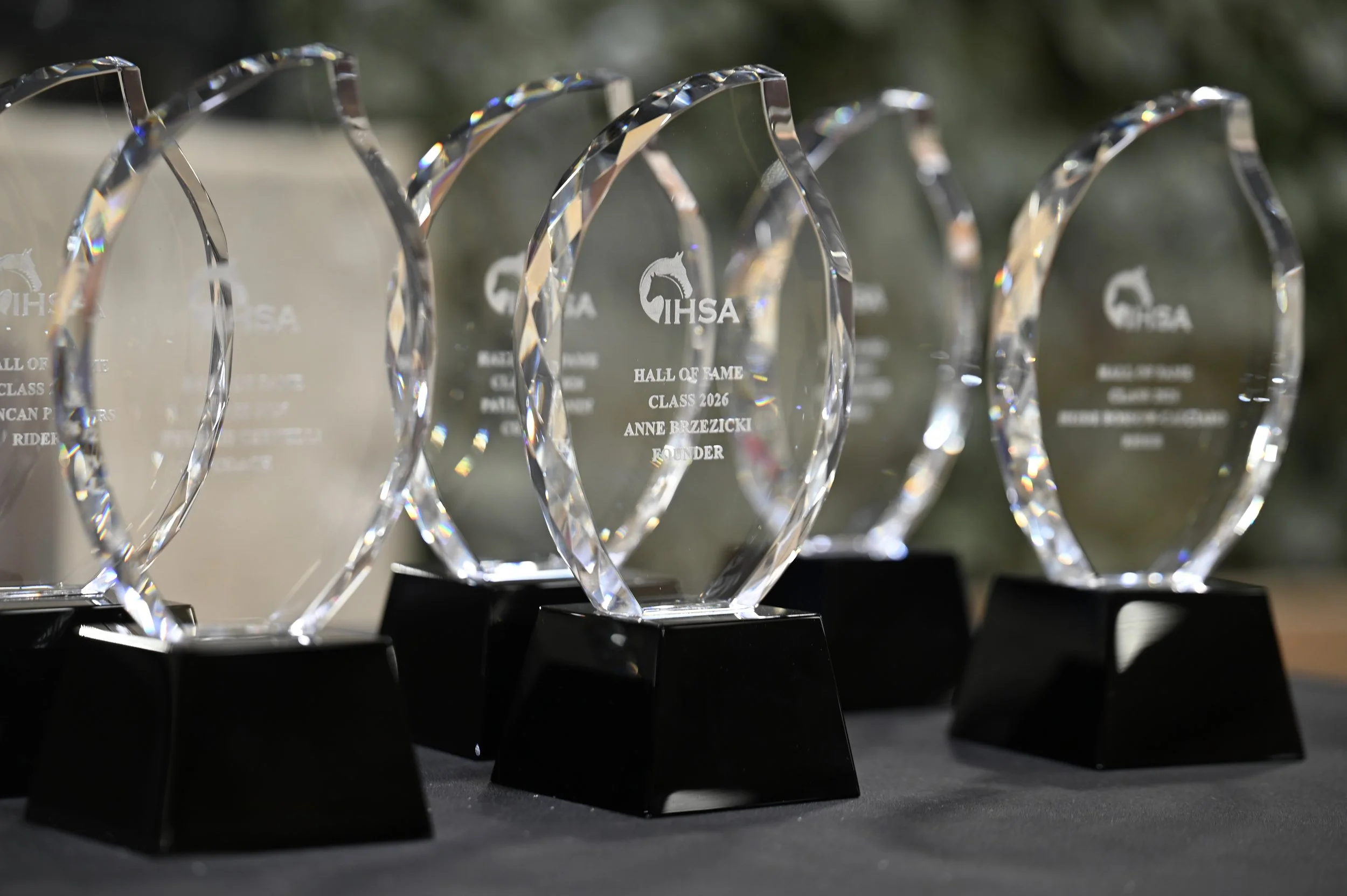
IHSA HALL OF FAME
Inductees
Inductees are recognized across four categories:
• Founders
• Coaches
• Riders
• Horses
ELIGIBILITY CRITERIA
To be considered for induction, nominees must:
Be retired from active IHSA participation (Emeritus status is acceptable)
Demonstrate outstanding competitive achievement
Show exceptional contributions to the IHSA
Have achieved notable success or influence in equestrian sport or the equestrian industry
Be recognized with other significant industry honors or awards
Each Hall of Fame class may include up to eight inductees.
Class of 2026 Hall of Fame
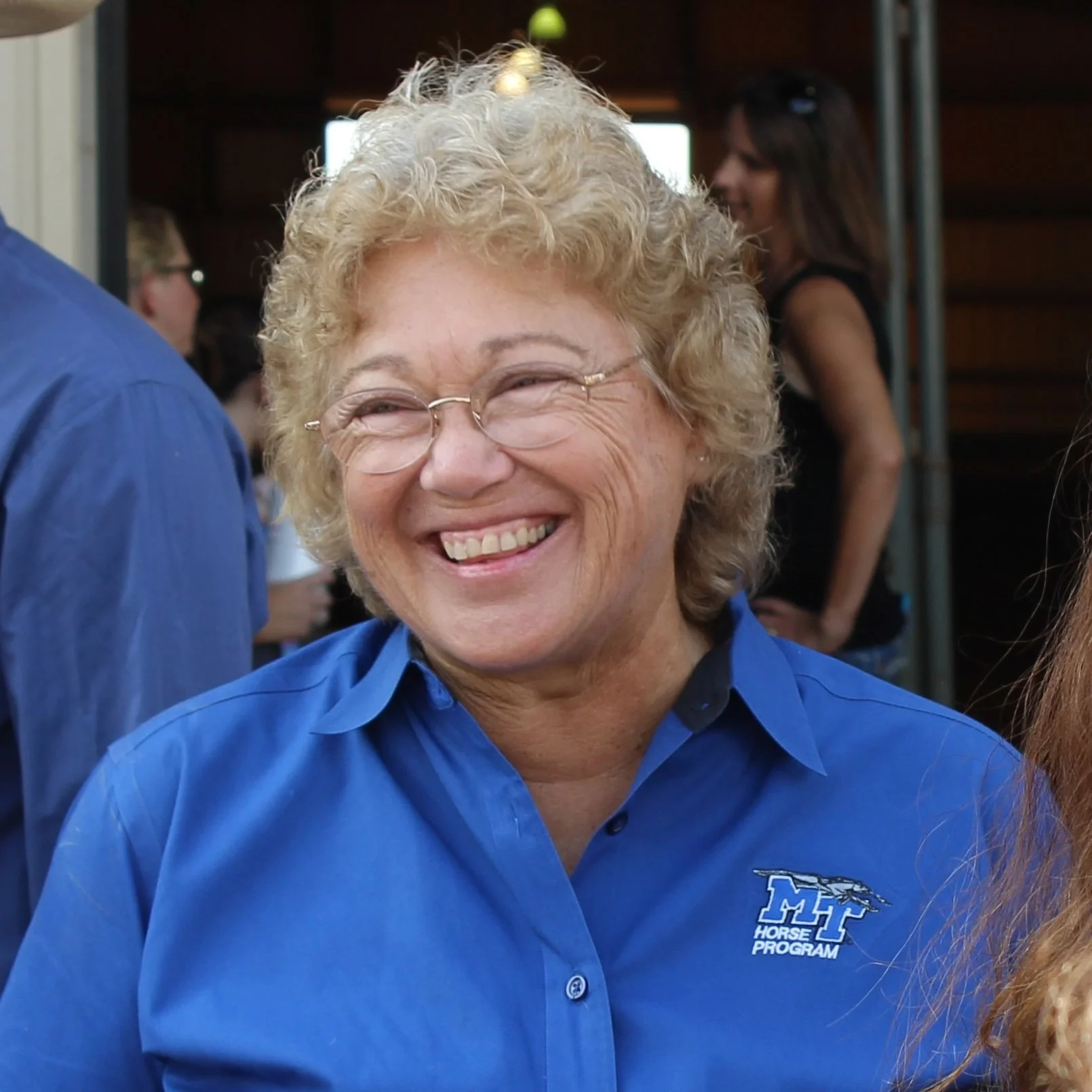
ANNE BRZEZICKI
FOUNDER
-
For Anne Mather Brzezicki, it’s simple: when there’s a problem, you solve it.
Take her undergrad experience. While studying animal science at the University of Connecticut, she helped form their IHSA team, and when their coach left before her senior year, while the university had a hiring freeze, she and fellow student Duncan Peters took it upon themselves to take over coaching the squad. They won the national championship that year, and she continued as coach after graduation.
When her husband, Michael Brzezecki, took a job in Tennessee, they headed west, and after one semester teaching riding at Middle Tennessee State University, she knew she wanted to start an IHSA team. But there was a problem: IHSA hadn’t yet expanded to the Midwest and Midsouth, so even if MTSU had a team, they wouldn’t have anyone nearby to compete against. So, she called every school with a riding program within driving distance and invited them to a meeting to learn about IHSA, becoming the force behind the association's expansion to states across the middle of the country.
“Anne literally opened up Kentucky, Tennessee, Ohio, Illinois, Indiana, West Virginia, Iowa and Michigan,” said IHSA founder Bob Cacchione. “These kids were coming out of the woodwork to do this. And Anne never stopped. She just kept rolling forward and rolling forward."
Anne was a driver behind the addition of western to the IHSA while she was at MTSU, arguing successfully to East Coast skeptics that the discipline was popular in the states they wanted to expand to, and that adding it would just expand opportunities for collegiate riders. She helped craft the first set of rules for the western discipline after it joined the IHSA in 1977.
She did a stint coaching at Virginia Tech, founding an IHSA team there, before returning to Tennessee, where she spent several more decades at MTSU, contributing to the design of the school’s Miller Coliseum—which has hosted IHSA Nationals three times so far—before retiring in 2017.
“She is that person you could count on,” said longtime friend and IHSA coach Carla Wennberg. “She’s always a visionary in everything she does. She’s a great leader, but she’s not the leader who tells you what to do; she creates the environment, so you work together well, and everyone has something to contribute.”
Anne has achieved plenty of accolades as a coach and trainer, including 18 IHSA National Championships as well as multiple reserve championships and Top-10 awards, with other students earning American Quarter Horse Association world championship titles out of her Tag Along Farm. She was awarded the IHSA Lifetime Achievement Award in 2003 and was inducted into the Tennessee Quarter Horse Association Hall of Fame in 2017. She’s also a master instructor with the Certified Horsemanship Association, which honored her with its Volunteer of the Year award in 2022. In 2024, she was named a Wrangler AQHA Woman of Influence. Throughout her five-decade career, she’s been active with U.S. Equestrian Federation, AQHA and 4-H.
These days, Anne lives with her husband in Merritt Island, Florida. She’s still giving back to the horse world through her work on the boards of AQHA, TQHA, and CHA, and she served as a steward at IHSA National Championships in 2025. And she’s still committed to spreading the gospel of IHSA and its mantra of inclusivity.
“It is my belief that the most important people in the horse industry are the ones who are maybe going to stick their toe in,” she said. “We've got to keep them and draw them in and help them and develop them. They are so important because the rest of us are already addicted.”
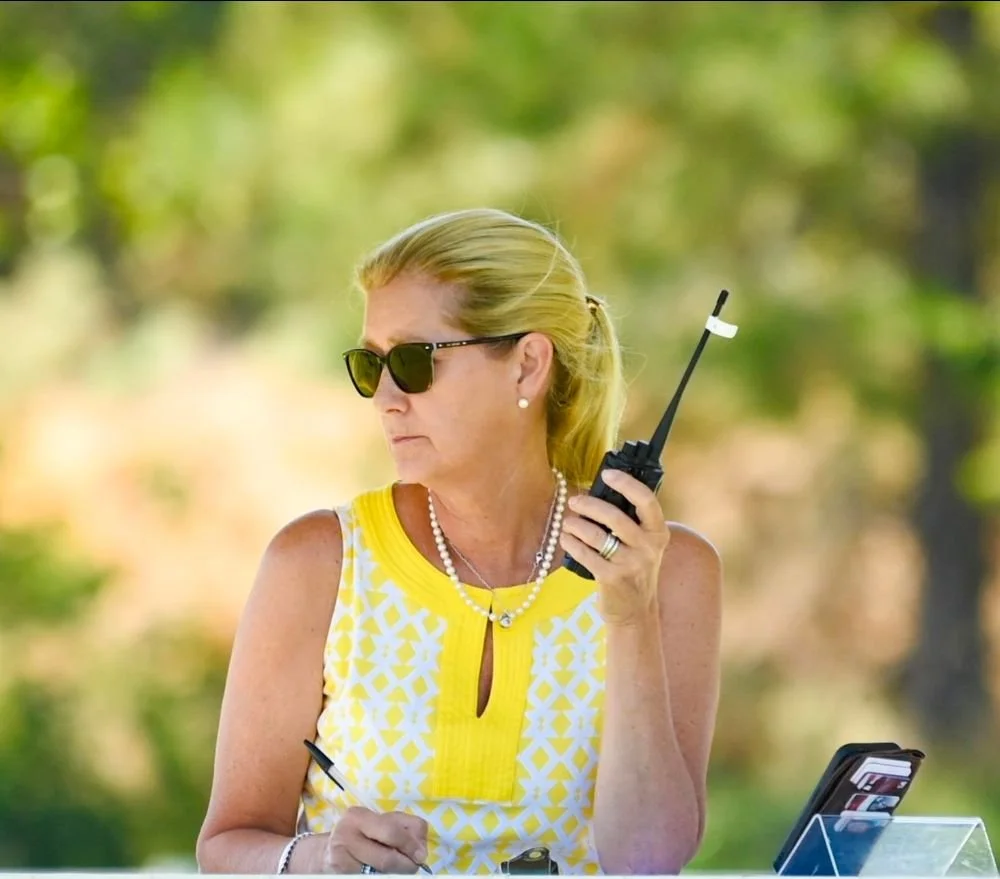
HEIDE BOSSOW-CASCIARO
RIDER
-
It’s hard enough to win the Cacchione Cup once during one’s IHSA riding career, but Heide Bossow (now Bossow-Casciaro) managed that feat in both 1985 and 1987 during her time at Hollins College (now University).
But for those who knew her, it was not a surprise.
“She was just poetry on a horse,” said longtime Hollins barn manager Elise Roschen. “She could make horses sing without ever alluding that there was any kind of issue. It was nothing short of pure elegance.
“On top of that she was just a lovely human being, always super kind and she presented herself beautifully and with confidence,” Roschen continued.
Bossow-Casciaro got her start when her grandmother bought her a six-pack of riding lessons for her 7th birthday (“My dad said it was the most expensive birthday present she could ever have bought me,” Bossow-Casciaro said) and she burst onto the horse show scene by winning the Illinois Hunter Jumper Association Junior Medal Finals at just 10 years old. She competed at Madison Square Garden for the National Horse Show and the Pennsylvania National under Tom and Pat Boyle, then packed her bags for Hollins, where she majored in economics and business.
While at Hollins she served as the president of the riding club and competed at IHSA National Championships all four years. She impressed her coaches with her dedication to the sport and her skill in the saddle, like her freshman year when she clinched her first Cacchione Cup win in the flat phase. That year she kept her poise when she was forced to circle at the counter-canter after getting cut off, holding the lead and winning the competition.
“She was the ultimate student,” said Nancy Peterson, the former director of riding at Hollins and a member of the IHSA Hall of Fame. “Lots of girls who come to Hollins are great riders, and they have good references and everything, but when she sat in a saddle and walked away from the mounting block you knew she was different. To me she’s the ultimate intercollegiate rider. She used to help all the other girls, and she was pleasant; I never saw her in a bad mood.”
After graduating Bossow-Casciaro rode and trained at a few East Coast farms before making her way back to the Midwest, where she started her business, Tievoli Farm (which spells “I love it” backwards), in Woodstock, Illinois. Bossow-Casciaro is also a busy U.S. Equestrian Federation judge with her hunter, equitation and jumper cards who has officiated at the likes of USEF Pony Finals, Traverse City Horse Shows, HITS Ocala, HITS Saugerties, Pin Oak and many others, and she’s judging IHSA National Championship this year. She’s also given back as past president and current board member of the Illinois Hunter Jumper Association, and she’s also on the advisory board for the newly formed U.S. Equestrian Trainers Association.
Bossow-Casciaro credits the IHSA and the professionals at Hollins, including Peterson, Roschen and Liz Courter, for helping boost her horsemanship and the team spirit that she now fosters at Tievoli Farm’s Interscholastic Equestrian Association team.
“The IHSA is a really good platform to maintain your riding and have fun and have camaraderie with your teammates,” she said. “[Usually] when we show it’s an individual sport. Having that team support for each other at Hollins, whether you were riding in the walk trot division or the Cacchione Cup, made such a difference.
“The horses have been a passion of mine all my life,” she added. “Whether I’m coaching or riding or judging it’s all about the horse and their performance and making it better.”
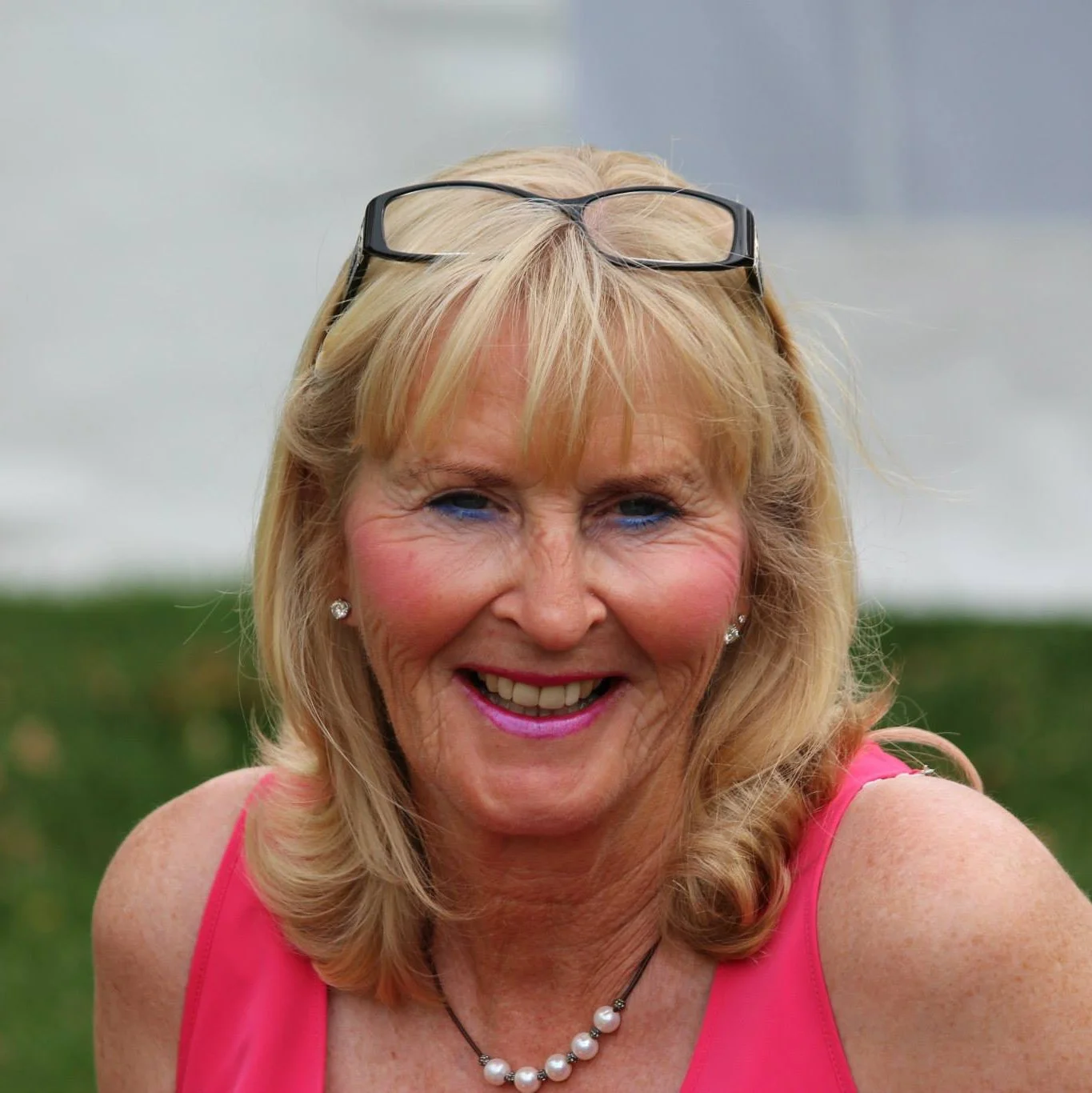
PHYLLIS CERVELLI
COACH
-
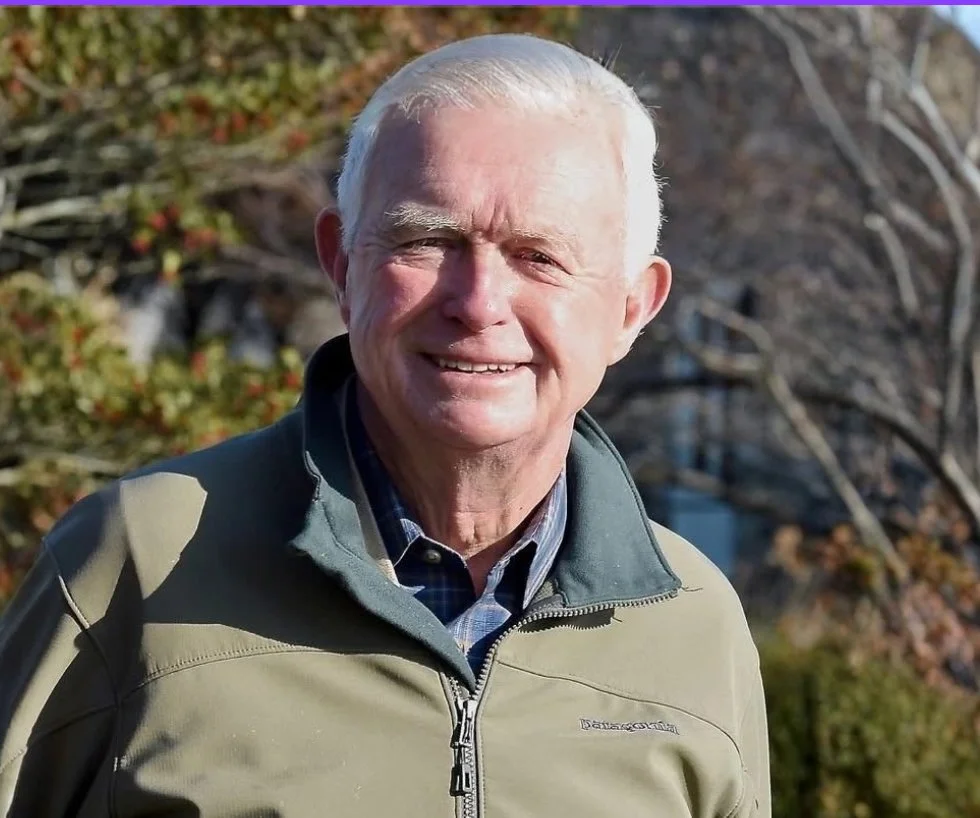
During the 34 years that Phyllis Cervelli taught at Boston University, she built up legions of students by inspiring them to believe in themselves.
“I would say the biggest thing Phyllis did for my riding was give me confidence and tools to execute better,” said Elizabeth Nevins, who won the 2023 Cacchione Cup winner under Cervelli. “I wouldn't necessarily say I had stage fright, but I would say my competition background before college didn't reflect the level of riding that I could do, and that was just because I would get in the ring and get nervous and make mistakes. I'm not sure I have ever taken a deep breath in the show ring before I started riding with Phyllis.”
According to Eileen McNamara Blair, who served as Cervelli’s assistant coach for 14 years, Cervelli had a knack for helping her students not just become great riders, but well-rounded humans as well. Her student captains regularly won awards for their leadership skills, and she encouraged horsemanship skills beyond just riding.
“In addition to being able to ride well, she encouraged her students to work hard at all these things that happen behind the scenes, like the admin work and the entries,” said Blair. “She builds up her students with skills that are important in the rest of the world. I see Phyllis put in that effort to create well-rounded leaders who care. That was my favorite part about working with her: watching all these students come in as freshman grow into stronger leaders.”
While Cervelli’s carefully honed emotional radar helped her connect with students, she was also a wonderful steward for the horses in her care, the kind of horseperson who always had mints in her pocket and a pat for each of her charges.
Cervelli grew up riding by the seat of her pants in Massachusetts. She showed locally, then found her way to endurance riding, snapping a lunch bag onto her saddle and heading out with her sisters for day-long rides. After graduating from the University of Massachusetts with a degree in animal agriculture, she worked with dressage Olympian Dottie Morkis and did a stint with eventing legend J. Michael Plumb, dabbling in those sports before becoming a flat rider for Margie Engle, who got her back into jumpers.
In 1991 she started coaching the Boston University team, while simultaneously teaching students on the open circuit as well until her retirement in 2025. She also stayed busy as a U.S. Equestrian Federation hunter and hunter seat equitation judge, and by helping out with her sisters’ Holly Hill Show Stable.
Cervelli’s uncanny ability to bring out the best in horse and rider came in part from her out-of-the-box thinking. She taught multi-level lessons to students and frequently turned to her sisters for an extra set of eyes.
“I found that every student learns in a different way, and my job was to figure that out,” said Phyllis Cervelli.
“Sometimes that was, standing there talking to them, and others would like it if I could get on the horse and just show them myself. Some did better in a group setting, once they were capable enough to be in a group setting. That way, they didn't feel like they stood out. I never approached any student the same way.”
PAUL CRONIN (1936-2024)
COACH
-
Throughout his lifetime, Paul Cronin earned a reputation as not just a capable trainer of horses and riders, but as a teacher of teachers. Cronin coached at Sweet Briar College in Sweet Briar, Virginia, from 1967 until 2001, then served as Director of Riding Emeritus from 2001 until his death in 2024, imparting his memorable wisdom onto a generation of students, many of whom became equestrian professionals.
After earning his bachelor’s degree in history from Stone Hill College in Massachusetts, and a master’s in social work in community planning from the University of Pittsburgh, Cronin served in the Navy as a lieutenant from 1960 to 1964, deploying to Cuba and Africa and remaining a reservist for many years after.
Cronin’s riding career started as a young person in Boston, where he competed on the hunter and jumper circuit, and as an amateur, he trained and competed young horses in the Virginia area. A lifelong student of riding master Vladimir Littauer, Cronin taught his mentor’s forward riding system to his many students who competed at local, recognized and Intercollegiate Horse Shows Association competitions. Cronin was also instrumental in the expansion of the IHSA. In 1975 Cronin founded the IHSA team at Sweet Briar College, the first college in the state to join the association.
“I think every college that has a riding team in Virginia is a member of the IHSA because of Paul,” said IHSA founder Bob Cacchione. “He was the mover and shaker in Virginia.”
Peggy McElveen started as a student at Sweet Briar in 1967 during Cronin’s first year as an instructor, the same year that future Olympian Lendon Gray enrolled. Long after she graduated, McElveen continued to take students from her base in South Carolina up to Sweet Briar to learn from Cronin.
“He was wonderful,” said McElveen of Cronin. “He worked so hard, and he brought in so many wonderful people in the horse industry to do clinics with us, which just helped us tremendously in our riding. And he was tough. You did it his way, but his way was very successful.”
Throughout his career, Cronin gave back to the sport in myriad ways, serving on U.S. Hunter Jumper Association and U.S. Equestrian Federation committees, helping get the Affiliated National Riding Commission off the ground, officiating over horse shows as an “R” hunter and equitation judge and teaching clinics in the U.S. and abroad. A lifetime student, he took a sabbatical from Sweet Briar to study at the French riding school at Saumur one semester, and he did graduate work in sports psychology and motor learning at the University of Virginia. The Virginia Horse Council selected him as the educator of the year in 1997; the USHJA honored him with their Professional Service Award in 2007; the USEF gave him the Pegasus Award in 2009. That same year, Sweet Briar College inducted him into their Hall of Fame and the Virginia Horse Show Association inducted him into their Hall of Fame in 2010.
After he retired from teaching full-time at Sweet Briar, he continued to work with horses, publishing “Schooling and Riding the Sport Horse: A Modern American Hunter Jumper System” in 2004 and riding first field with the Orange County Hounds for many years.
“He was very insightful,” said Merrilee “Mimi” Wroton, who rode under Cronin as a student, worked under him for several years at Sweet Briar and now runs the college’s riding department. “He was always trying to help the horses have the best experience. That meant being proactive in his training of the horses and thoughtful about using their herd mentality as well as their comfort and experience to help horses and riders be successful.”
OLLIE GRIFFITH
FOUNDER
-
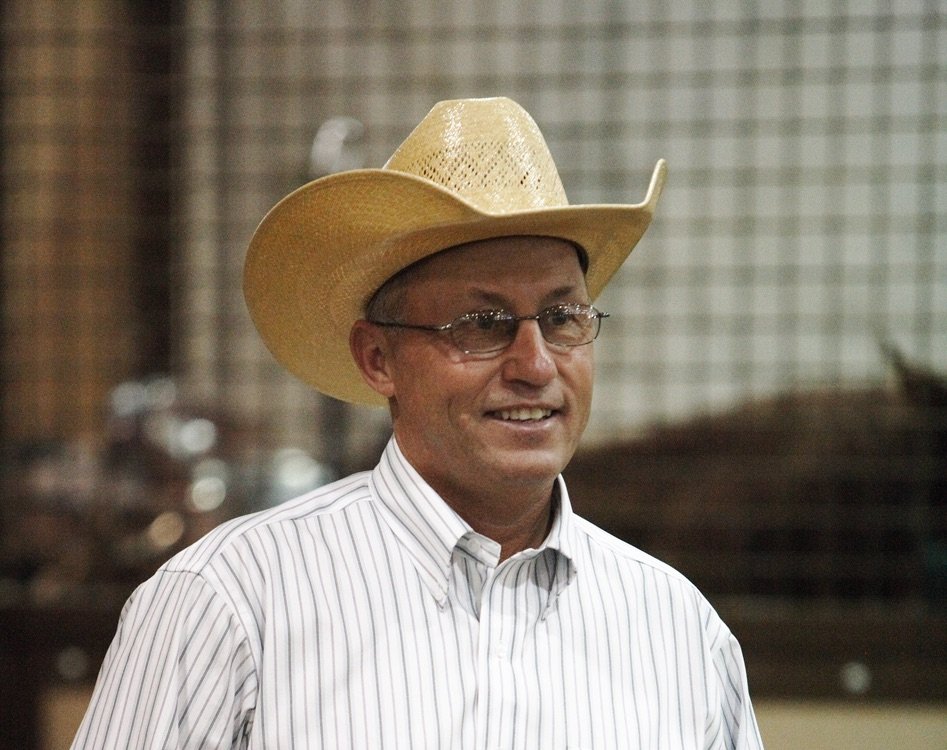
While Richard “Ollie” Griffith coached over a dozen world champions out of his Autumn Rose Farm alongside his wife Debbie Griffith during his career, he’s always had a special place in his heart for those just starting their journey with horses. That emphasis on excellence at all levels of riding was a big part of what drew him to the Intercollegiate Horse Shows Association, and he’s helped the organization thrive for more than three decades.
“He had tremendous vision and leadership,” said friend and former IHSA coach Carla Wennberg. “For many years, he brought some of the nicest reining horses we had at Nationals. He was a strong force all the way around trying to help other people—but he was there to win. [He and Debbie] were there to help you, and they’re there to beat you as well.”
Ollie started The Ohio State University (OSU) team at his alma mater, growing it from three students into a legendary program that would qualify for the IHSA National Championship each of the 34 years he coached the team. Under his leadership, OSU won an unmatched 10 national Western team titles, and he coached 23 individual national champions as well. Ollie’s riders have won the NRHA Individual Reining Class at IHSA Nationals seven times, and he’s coached five IHSA High-Point Western Riders.
Ollie’s influence in the IHSA goes far beyond teaching riders. He helped grow the Western side of the association through his work as a regional president and chair of the IHSA Western Committee. As a member of the IHSA board of directors he brought on the National Reining Horse Association as a major sponsor and increased the American Quarter Horse Association’s sponsorship to include belt buckles and saddles for winners at IHSA National Championships.
“He’s really had an outsized effect on the association,” said IHSA founder Bob Cacchione. “Plus he’s a tremendous horseman. His lessons are about you and the horse you’re on, not how you handled yesterday’s lesson or yesterday’s horse.”
In 2004 the IHSA honored Ollie with its Lifetime Achievement Award, and when they retired in 2022, the IHSA honored Ollie and Debbie with the Pioneer Award, given to those who have been instrumental in creating and growing intercollegiate riding programs and opportunities. The Interscholastic Equestrian Association, which Ollie helped found, also awarded Ollie their Lifetime Achievement Award.
These days Ollie splits his time between Sarasota, Florida, and Delaware, Ohio. He’s a sought-after judge who has officiated over the All-American Quarter Horse Congress three times, American Quarter Horse World Show three times, the NRHA Futurity 10 times and NRHA futurities in Europe, Australia and South America. He still lends his judging expertise to the IHSA circuit. He’s on NRHA judges’ teaching panel and teaches around the world, and he served as a steward at the 2025 IHSA National Championship.
“Ollie is the Energizer Bunny, and his personality is so positive,” said longtime friend and former IHSA coach Anne Brzezicki. “The reason why Ohio State had so much success is not just because he’s a great horseman, which he is, but because he has such enthusiasm and he believes in kids that are just learning. He makes them believe in themselves.”
DUNCAN PETERS
RIDER
-
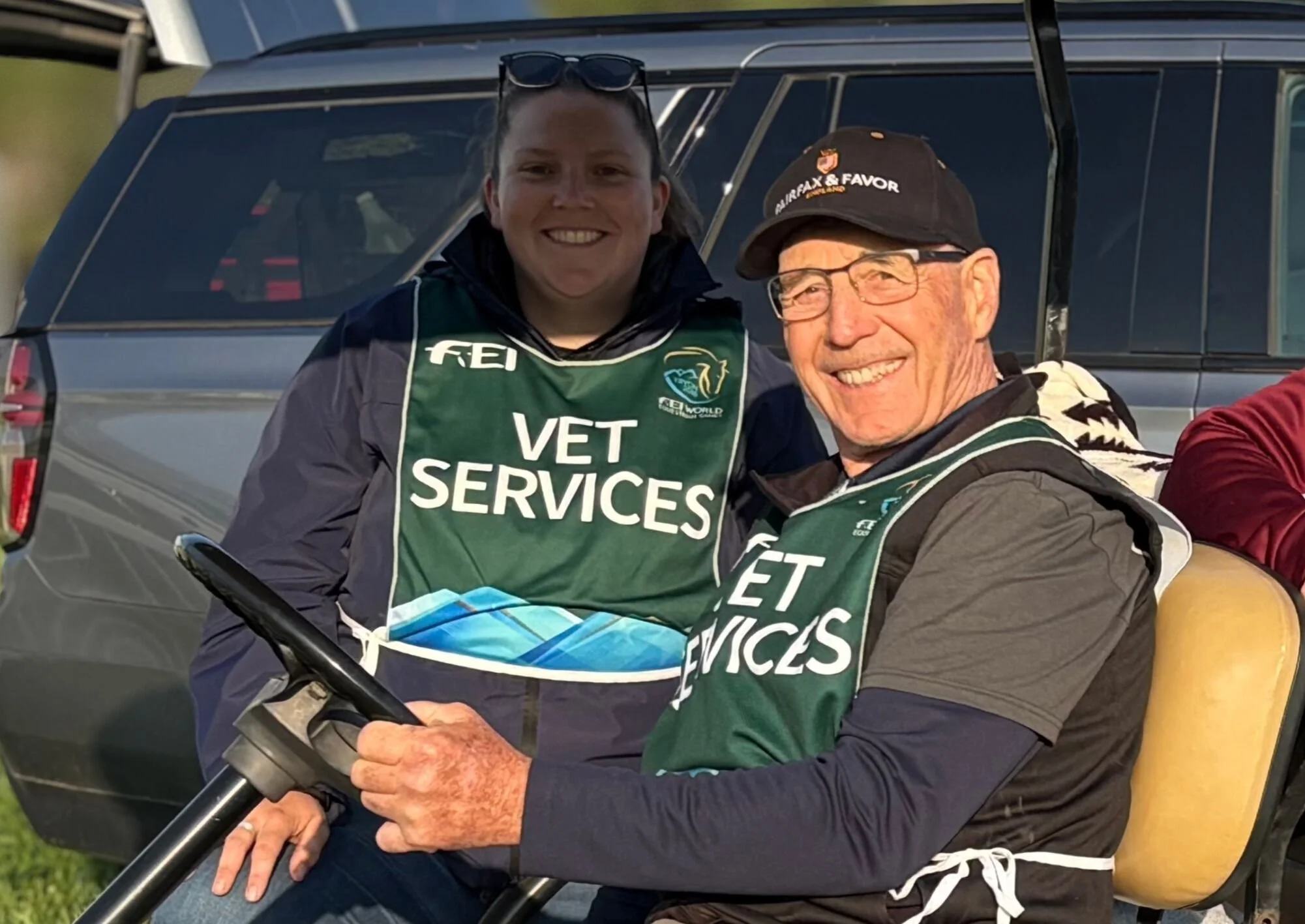
Driven by his love for the horse, Duncan Peters, MS, DVM, DACVSMR, has made a name for himself as one of the preeminent sport horse veterinarians in the country. And while he’s served as an official U.S. Equestrian Team veterinarian at world championships and Paralympic Games, he’s just as passionate about helping pleasure horses as top international athletes.
“It’s nice to go to those [championship] events—there’s so much spectacle to them and they’re lovely—but I really like the preparation and getting up to that point,” said Peters. “I like that part of it, helping people and horses along the way.”
Peters grew up paying for his early riding lessons by working around the stable for a quarter an hour. When his first horse came up sick, he was enthralled by the veterinarian who came to treat him, starting Peters down his path toward veterinary medicine.
As a young person, Peters joined the Fairfield County Hounds Pony Club, earning his B rating and establishing a record as a talented hunter/jumper rider and an enthusiastic fox hunter. He attended the University of Connecticut, joining the Intercollegiate Horse Shows Association, the horse judging and polo teams, and he was on the squad that won the U.S. Polo Association Men’s Intercollegiate Championship team three years in a row.
During his sophomore year, their IHSA coach left, so Peters and Anne Brzezicki took over training the team. Incredibly, the student-coached team won the IHSA Hunt Seat National Championship in 1972, while Peters won the inaugural Cacchione Cup that same year.
Brzezicki described Peters as a gifted rider who would always find eight out of eight jumps.
“He was always helpful with the other riders and he did not have an ego,” said Brzezicki, who is also to be inducted into the IHSA Hall of Fame this year. “He never expected anything special, because he was the top dog. He was kind and helpful and just a really good guy.”
After graduating he loaded up his polo equipment, a few suitcases and a new puppy into his Volkswagen Bug and crossed the country to earn his master’s in reproductive physiology—and eventually his doctorate in veterinary medicine—at the University of California-Davis. Along the way, he coached their polo team to a national championship, eventually earning a 4-goal rating and dabbling in riding as a professional in the sport. While at UC Davis, he also participated in Ride & Ties endurance events and hunter/jumper competitions.
After graduating from veterinary school, Peters worked at veterinary practices in California, Vermont, Montana, Michigan and Kentucky, specializing in sports medicine, lameness evaluation, poor performance and rehabilitation.
During his career, he served on the American Association of Equine Practitioners’ board of directors, as well as numerous committees for the U.S. Equestrian Federation, including his present roles as a member of the Veterinary Committee and the Human and Equine Safety and Welfare Committee. He’s also worked as a member of the USEF Veterinary Selection Panel for major championships for dressage, eventing, endurance and driving. He’s certified by the International Society of Equine Locomotor Pathology and served on their board of directors for 18 years. He was inducted into the International Equine Veterinarian Hall of Fame in 2019, and he and his wife, Lori Bidwell, DVM, DACVAA, CVA, were awarded the David Peterson Perpetual Trophy for their dedication to equine welfare by the U.S. Hunter Jumper Association.
These days, Peters and Bidwell run East-West Equine Sports Medicine based out of Lexington, Kentucky. Their team serves as the official veterinary practice at the Desert Circuit in Thermal, California, for 16 weeks a year, as well as the summer-long Traverse City Horse Shows series in Williamsburg, Michigan. He still finds time to get in the jumper ring when he’s at shows.
“My motto with both veterinary medicine and riding is that I’d like someone to say, at the end of it all, ‘Well, he did the best he could,’ ” said Peters. “I don’t consider myself highly talented or having incredible physical ability or the smartest person on the block, but I’d like to think that I put every effort into it to try to perform the best.”
COLONEL PEPENATOR “PEPPY”
HORSE
-
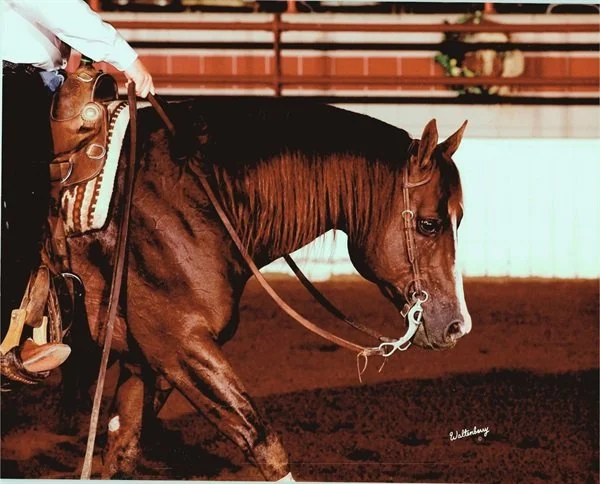
Before his career in the IHSA, Colonel Pepenator earned a reputation as a top reiner and a gentle soul, generous with beginners. Nowhere was that more apparent than at the 2010 Alltech FEI World Equestrian Games, when “Peppy” competed for Poland with Bogdan Czarnik in the reining championship, while also participating in the “ride-a-reiner” showcase, wherein novices could try out the sport aboard an experienced mount.
After trainers Jennifer and Tom Hoyt helped owner Catherine Berdan Pettite donate the Quarter Horse stallion by Pepenator and out of a granddaughter of Colonel Freckles to SUNY Oswego, he quickly became a barn favorite. While he showed plenty of pizzazz in the show pen with his IHSA riders, he’s just as happy carrying around a young child in a summer camp lesson.
“He’s very pushbutton,” said Danielle Grasmeder Valente, an Oswego graduate who rode Peppy to the NRHA/AQHA Individual Reining National Championship her freshman year. “He knows what he’s doing, and you just have to sit there and trust him. I’ve ridden a lot of reiners, and he’s one of my favorites.”
According to Dan Bergstresser, who trains the SUNY Oswego IHSA team alongside his wife Jill Bergstresser, Peppy is one of a kind, as his numerous Western Horse of the Show honors attest.
“He’s won national championships in all three western divisions: reining, ranch riding and horsemanship,” said Dan. “He’s done everything at Nationals from beginner walk-trot up to the reining.”
"Though he is a stallion, you’d never know it," said Jill, "as he’s a mellow guy who’s not reactive with mares."
“As he made his mark on the IHSA, everyone recognized that this was not your average stallion, this was a gelding stuck in a stallion’s body,” she said. “He was actually the first stud that they allowed to go lower than open, and within a year or two, he made his way all the way down to beginner because he was that level of trustworthy.
“We had videos of our daughter when she was really little, maybe 4 or 5, and she would ask him to spin and he’d spin only as fast as was safe,” she added.
With his shiny chestnut coat and thick neck, Peppy caught everyone’s eye at IHSA shows, including hunter riders and laymen watching their first horse show. Peppy also showed on the National Reining Horse Association and American Quarter Horse Association circuits a bit while at Oswego, gaining fans there as well.
Oswego graduate Kelly Dolan remembered one year at Nationals when a rider drew Peppy and was nervous when she saw how fiery he could get while reining.
“Dan talked to her about him and told her, ‘If you say whoa, he’s stopping,’” Dolan recalled. “She went on to have an amazing run on him. Her mother was so thankful to Dan for talking to her, and so grateful to get have such a good time with Peppy. It was amazing to see him take care of other people.”
Peppy made his last trip to IHSA Nationals in 2023 and is now retired.
“When the riders would send thank you letters for the horses from Nationals every year, Peppy’s would be the best,” said Jill. “Everyone loves him.”
MONTY
HORSE
-
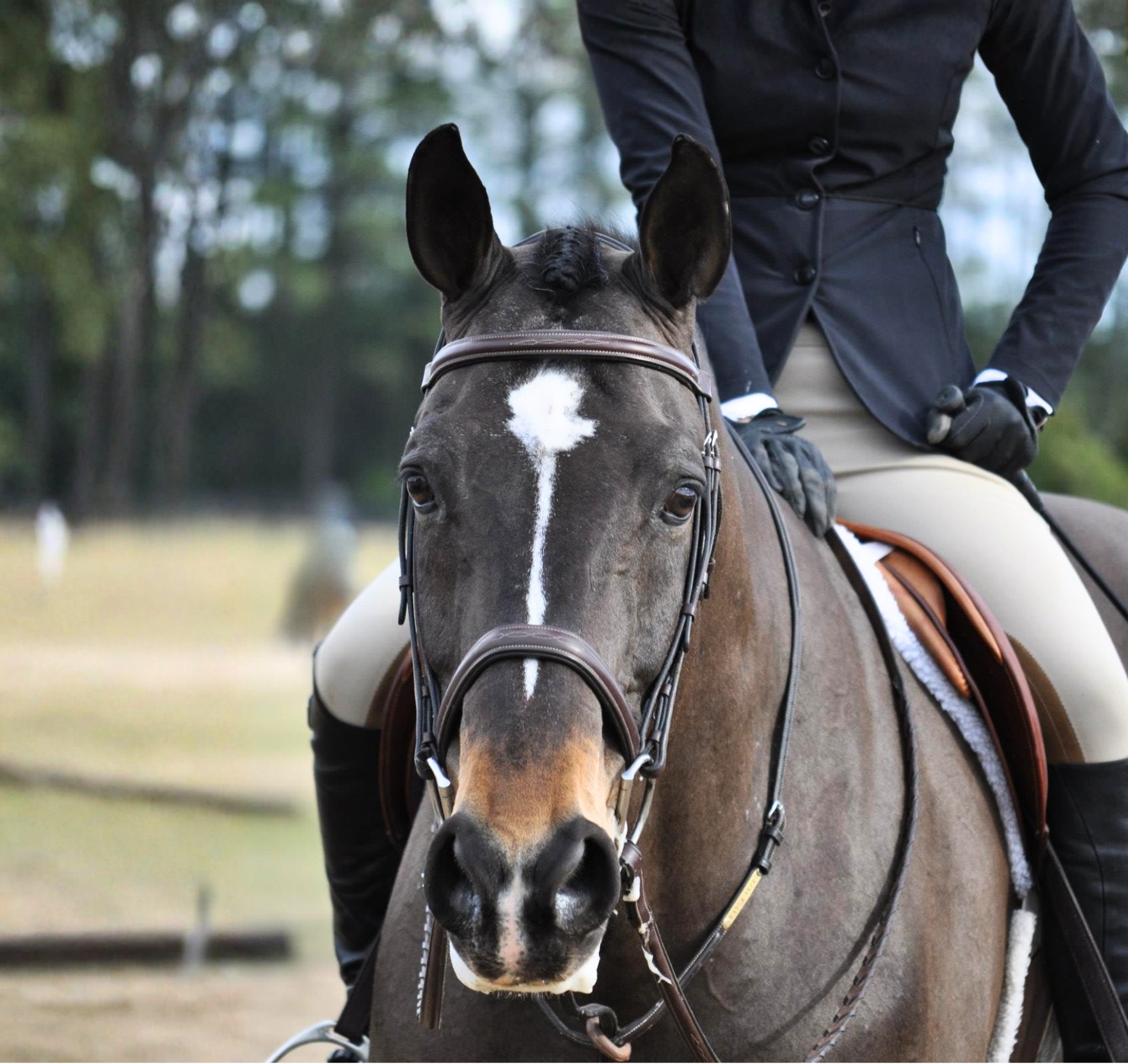
Throughout his career in the IHSA, Virginia Intermont College’s Monty earned a reputation as a favorite draw, and deservedly so. At the 2011 IHSA National Championships, he earned the Hunter Seat Horse of the Show honors after partnering with riders who won both the Cacchione Cup and the Walk-Trot championship.
Monty joined the Virginia Intermont team in 2004 when he was 7 and quickly became a much-loved partner in the barn. Known as a kind, capable horse, the warmblood of unrecorded breeding was a solid partner for riders of all levels from the get-go.
“From when we got him, he was pretty much perfect,” said Lisa Moosmueller-Terry, who served as the Head Riding Coach at Virginia Intermont during Monty’s career and currently serves as the Director of Equine Studies and Equestrian Teams at Emory & Henry University.
Monty, nicknamed “Hollywood” in the barn, thanks to his beauty, was a versatile mount who shined at U.S. Equestrian Federation shows with Virginia Intermont students as well as American National Riding Commission National Equitation Championships and regional competitions for the Intercollegiate Dressage Federation. He also won the 2010 IHSA Regional Horse of the Year award.
Monty was the first horse Danielle Clark sat on when she was at Virginia Intermont during the open house before she was even enrolled, and he was her assigned stable management horse during her first semester at the school. Clark chose to write a school paper about Monty and partnered with him in lessons and at USEF competitions.
“He was the barn greeter, with the first stall on the right,” recalled the rider who graduated in 2014. “I took him to [Gallop In The Glen I], an A show in Tennessee, my freshman year when I was still a junior and we were champion in the children’s hunters. He was incredible.
“He was pokey—you had to leg and you had to mean it—but you could stick your knuckles in the mane, point and shoot,” she continued.
Monty died in 2015, leaving behind legions of riders who remember him fondly for his expressive face with perky ears and bright eyes beyond his prowess under saddle.
“He made you look good, which is why I would say he was the No.1 draw,” said Moosmueller-Terry.
Class of 2024 Hall of Fame
GREG BEST
RIDER
-
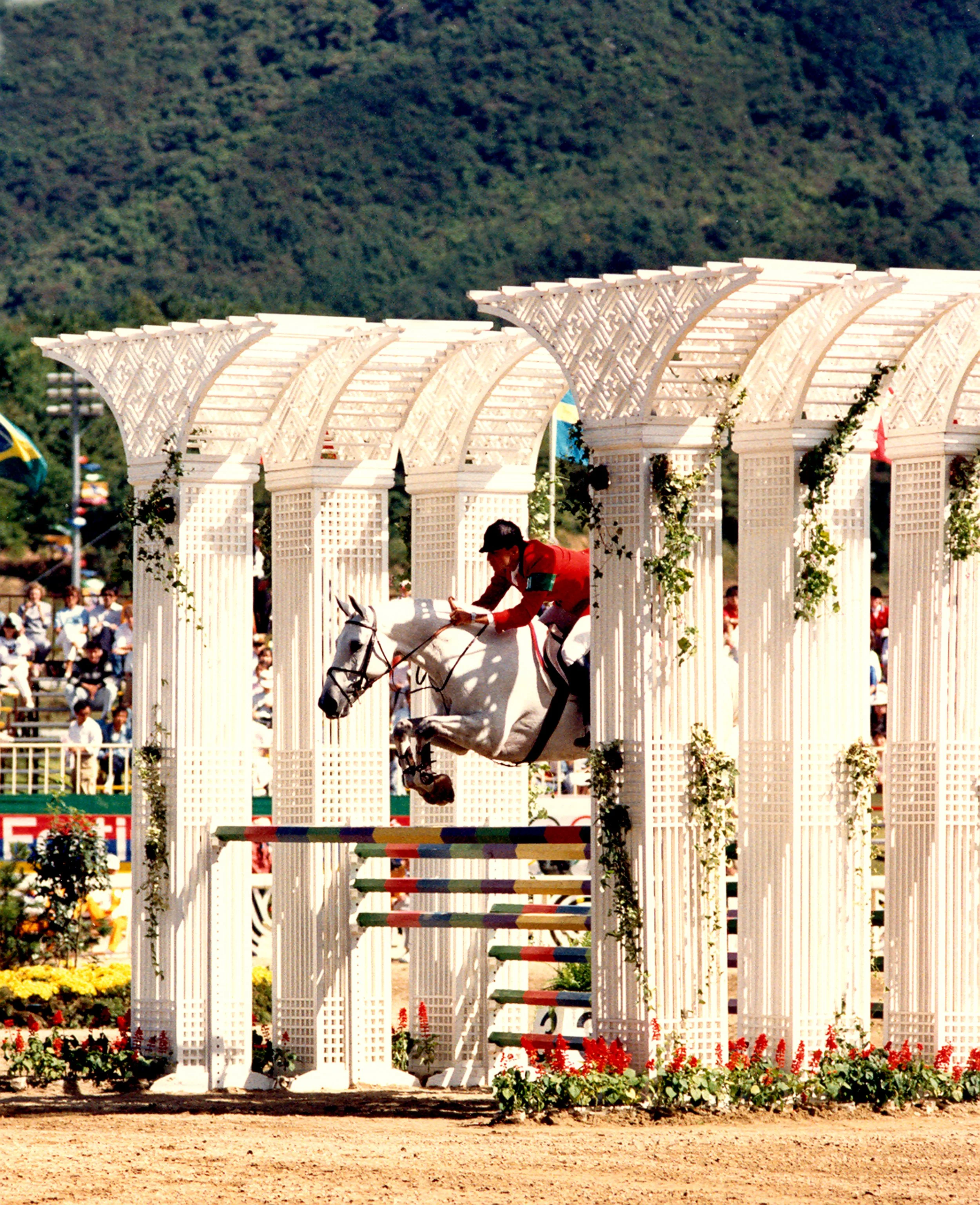
Born in Lynchburg, Virginia, Greg Best was introduced to riding by his mother. As a teenager, he trained with six-time Olympian Frank Chapot, who would later play a pivotal role in his professional career.
While attending the University of Pennsylvania, Best discovered the IHSA when the program launched during his senior year. Despite joining late in the season, he qualified for Nationals in just three shows and competed against riders who, like himself, would go on to represent the United States on the world stage. His IHSA experience gave him a sense of community and belonging, while also instilling lessons in adaptability and humility.
Through Chapot, Best was paired with the legendary Thoroughbred Gem Twist. Together, they won the 1985 USET Talent Derby and their first two grand prix competitions in 1987 before helping the U.S. team earn silver at the Pan American Games in Indianapolis. At just 24 years old, Best and Gem Twist earned individual and team silver medals at the 1988 Seoul Olympic Games, followed by a fourth-place finish at the 1990 FEI World Equestrian Games in Stockholm.

NAOMI BLUMENTHAL (1942-2020)
COACH
-
Naomi Blumenthal, from Manlius, New York, served the IHSA for over 40 years. She taught equestrian studies and equine business management at Cazenovia College for 27 years and coached their IHSA Equestrian Team. She was a longtime member of the IHSA board of directors, first as a regional president, then as zone chair and for many years as executive treasurer.
IHSA Director Emeritus and founder of the State University of New York at Stony Brook Equestrian Team, George Lukemire, was Blumenthal's predecessor in the IHSA treasurer role. He credits her with making everything function seamlessly as the organization grew.
Blumenthal was active in governance at the United States Hunter Jumper Association (USHJA), where she served on multiple committees. She was a USEF R-rated judge and steward, officiating at shows across the nation. Blumenthal also devoted time to the Professional Horsemen's Association (PHA), serving as national president and the Syracuse chapter's chair.
JON CONYERS (1961-2008)
COACH
-
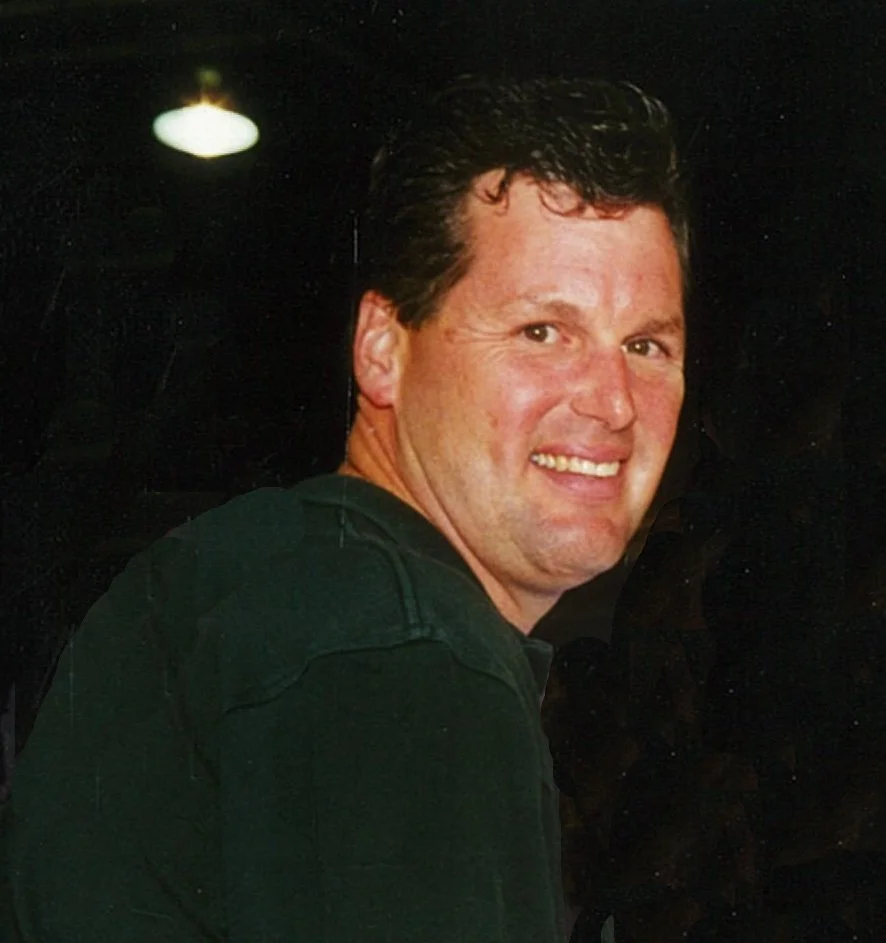
Jon Conyers, a revered figure in the equestrian community, began his riding career as a child in Staunton, Virginia, before pursuing collegiate riding at St. Andrews University in North Carolina. There, under the guidance of Shelby French, he became a key member of the IHSA team and laid the foundation for his future as a coach and leader in collegiate equestrian sport.
Conyers returned to St. Andrews as an assistant coach before leading the University of Virginia equestrian team to the IHSA National Championship in 1992. He went on to direct the riding program at Wesleyan College, guiding numerous IHSA riders to success at the regional, zone, and national levels. In 2000, he joined the Savannah College of Art and Design as an IHSA coach and later served as an adjunct professor at the University of Findlay. In 2003, Conyers became head coach at Sweet Briar College, a position he held until his passing in 2008.
Conyers held leadership roles as an IHSA regional president, zone chairperson, alumni director, and director at large, while also serving as a USEF R judge. His dedication earned him the IHSA Pioneer Award in 2004, the IHSA Lifetime Achievement Award in 2008, and induction into the Southwest Virginia Hunter/Jumper Association Hall of Fame that same year.
GEORGE LUKEMIRE
FOUNDER
-
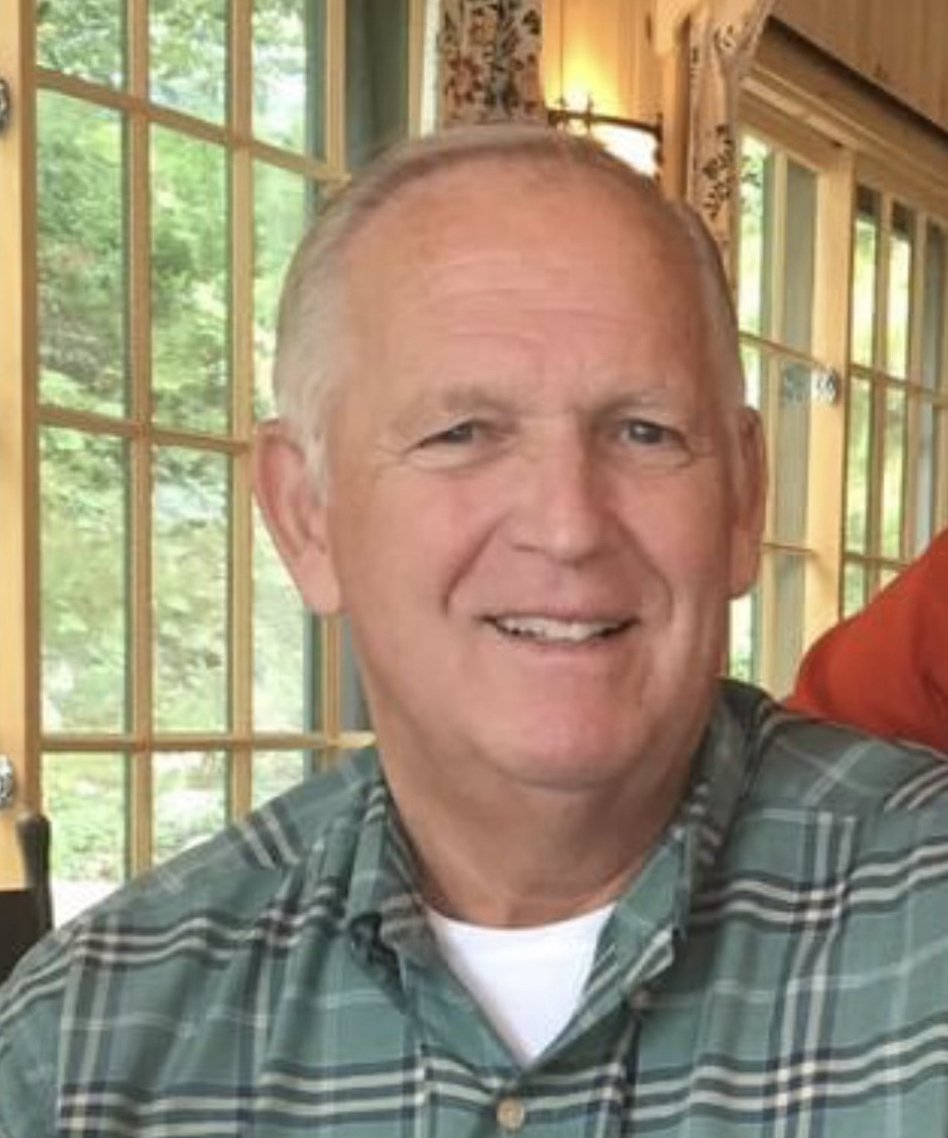
George Lukemire was born in Tennessee but spent most of his life in New York, where he served as an assistant professor at Stony Brook University (SBU) from 1967–2007 while also running his family’s Smoke Run Farm. In 1967, he received a call from IHSA founder Robert Cacchione inviting Stony Brook to compete in what would become the first intercollegiate horse shows, and by 1969, he was part of expanding the program across the Northeast. A lifelong supporter of the association, Lukemire was the original treasurer of the IHSA.
Under his leadership, SBU became the first IHSA national champion in 1971 and shared the national title with Southern Seminary College in 1980. Lukemire coached three Cacchione Cup winners, cementing his program as a powerhouse in the formative years of collegiate riding. In 2013, a trophy was established in his honor to be awarded to the coach of the Hunter Seat Team Champion at IHSA Nationals.
Beyond his IHSA contributions, Lukemire was deeply involved in his community. He was a lifetime member of the National Professional Horsemen’s Association and chaired the Long Island chapter.
Lukemire’s influence extended far beyond the show ring, shaping generations of riders with his guidance, encouragement and high standards.
NANCY PETERSON
COACH
-
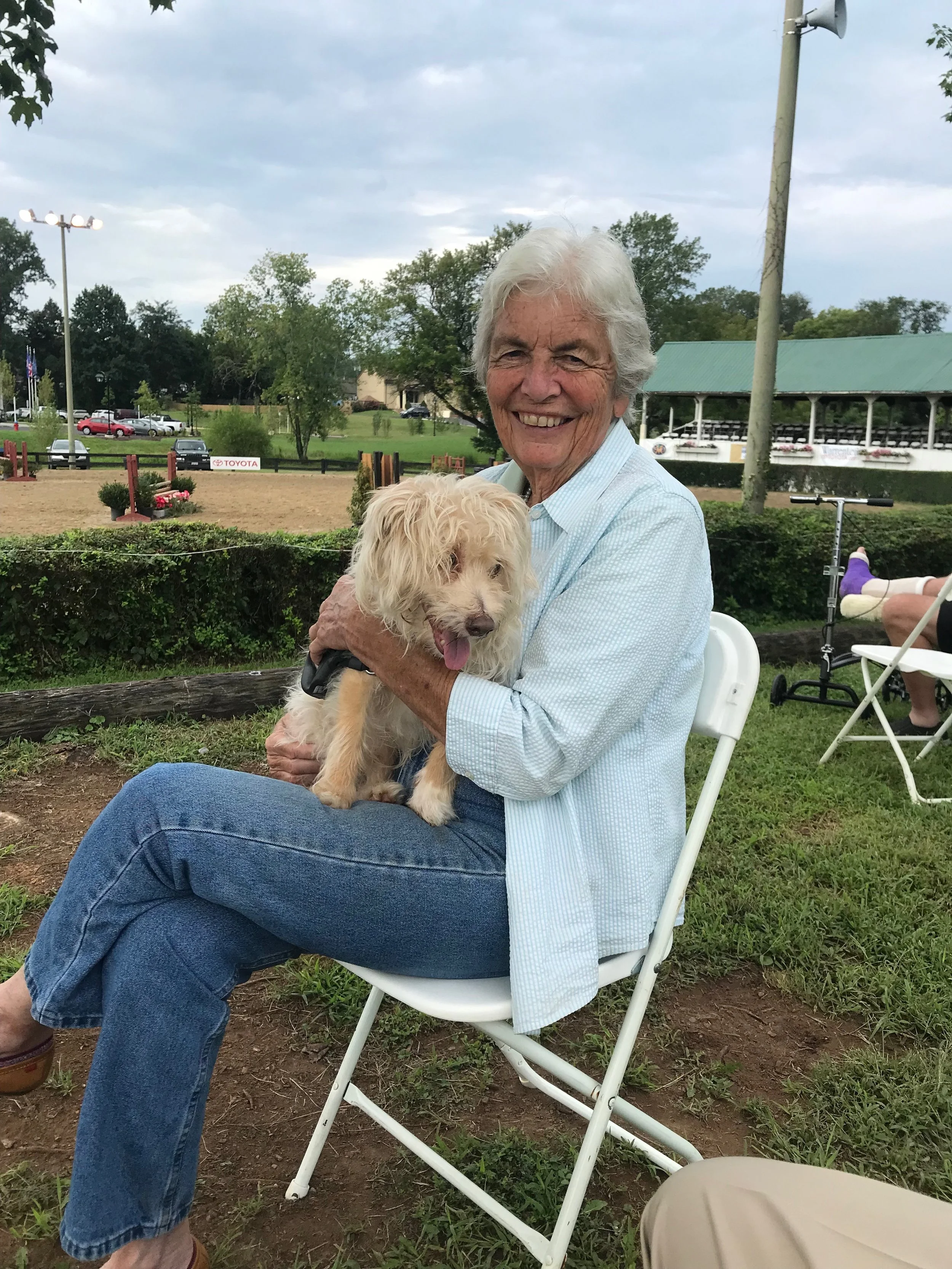
A legendary presence at Hollins University, Nancy Peterson joined the equestrian program in 1972 and served as director of riding until her retirement in 2018, marking 46 years of leadership. Under her guidance, Hollins made 12 appearances at IHSA Nationals, earning 19 individual national championships, two team national titles (1993 and 1998), and four Cacchione Cup wins. In recognition of her impact, IHSA presented her with its Lifetime Achievement Award in 2007.
Peterson was a prominent figure in Virginia’s hunter/jumper community, serving in leadership roles across horse shows, associations, and venues. The Virginia Horse Shows Association honored her as Horseperson of the Year in 2004, and she was recognized with numerous sportsmanship awards. Hollins University honored her with the Roberta A. Stewart Service Award (1999), the Distinguished Service Award (2009), and the Algernon Sydney Sullivan Award (2011). In 2019, she was inducted into the Hollins University Hall of Fame.
Her legacy has been further enshrined with inductions into the VHSA Hall of Fame (2012), the Virginia Horse Center Hall of Fame (2008), the Roanoke Valley Horse Show Hall of Fame (2001), and the Southwest Virginia Hunter/Jumper Association Hall of Fame.
RUSS WALTHER
COACH
-
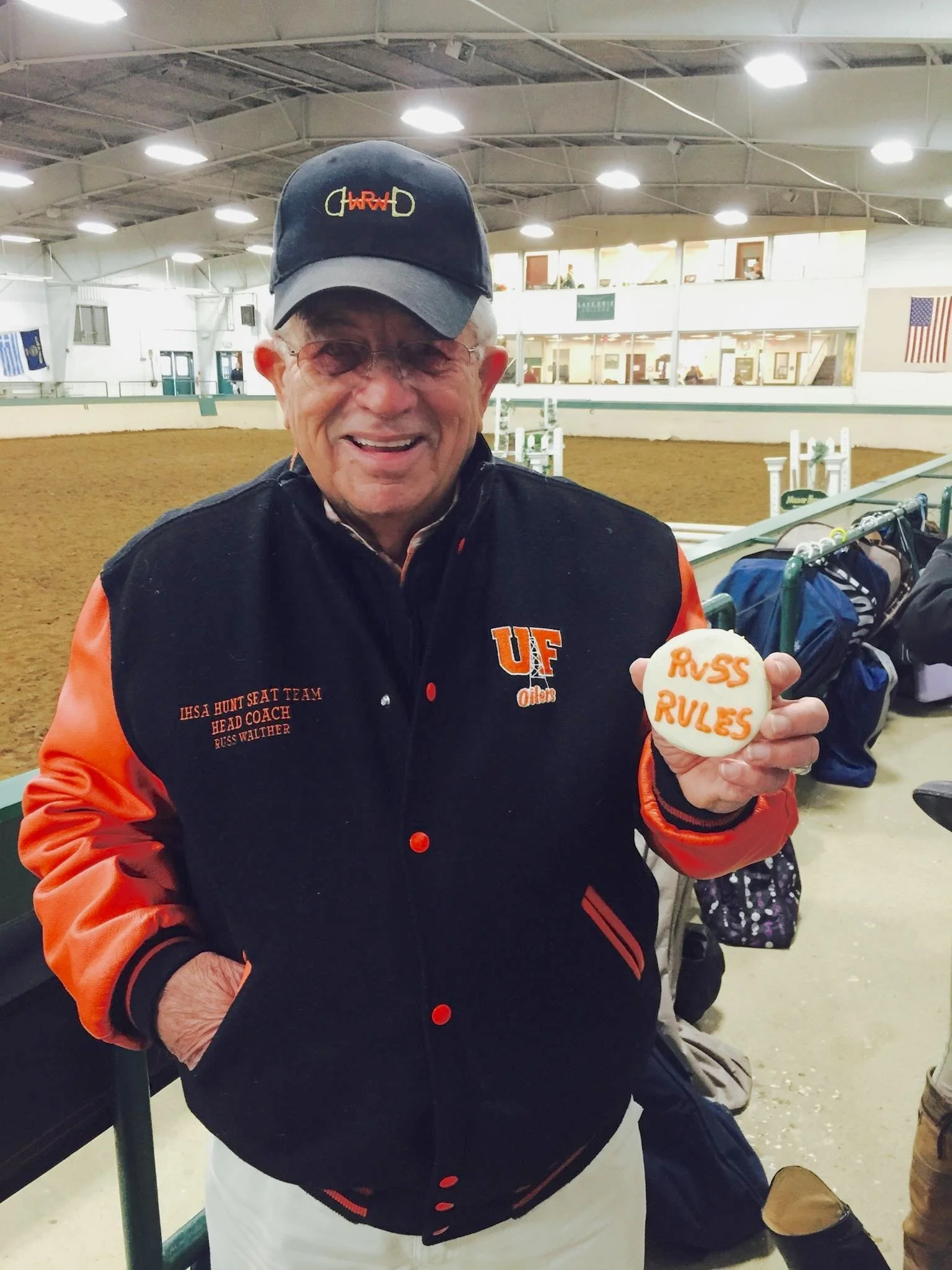
A second-generation Virginia horseman, Russ Walther is well-known as a rider, trainer, USEF R-rated judge, licensed course designer and horse show manager. In the 1950s, he rode for Waverly Farms in Warrenton, Va., and in the 70s and 80s, Walther ran multiple hunter/jumper businesses.
In the early 1980s, Walther was named director of the Southern Seminary College equestrian team, qualifying for IHSA Nationals from 1980 to 1985. He coached Beezie Madden (then Patton) to her 1984 Cacchione Cup victory. His influence in collegiate equestrian sport extended to his daughter, Devon Walther, who competed as a high-point rider for Savannah College of Art and Design.Walther joined the University of Findlay (Ohio) in 2013 as head coach of the IHSA hunter seat team. Under his leadership, the team earned three individual national championships, two reserve national titles, and placed third overall at IHSA Nationals in 2016. Known for his encouragement, high standards, and commitment to his riders’ success, he mentored countless students and remained a trusted guide long after graduation.

PETER WYLDE
RIDER
-
Peter Wylde began riding at 7 years old in his hometown of Medfield, Massachusetts where he ventured across the street to his neighbors farm and asked if he could ride their pony. He quickly knew he would be involved with horses as a life passion. Wylde showed successfully in the pony divisions, followed by Equitation, Hunters and eventually Junior Jumpers. Wylde worked his way up as a junior rider to win the New England Horseman’s Council’s Equitation Final in 1981 and the Rolex-Maclay National Equitation Championship at the National Horse Show at Madison Square Garden in 1982. In his last junior year Wylde was Junior/Amateur Jumper champion at the prestigious International Jumping Derby in Portsmouth, RI and co-Champion at the Washington International Horse Show.

CASE IN POINT “CASEY”
HORSE
-
Case In Point, or “Casey,” arrived at the Cazenovia College equestrian program in 1997 from donor Gary Moose of Metzville, New York. The 16.3-hand Thoroughbred mare had shown in the adult and green conformation hunters before joining the college.
Liz Pinto, former assistant coach for the IHSA team at Cazenovia and Cazenovia graduate (2002), knew the mare well. Casey participated in team practices, gave lessons and some summers, went out on lease.
IDOL TALK “BILLY”
HORSE
-
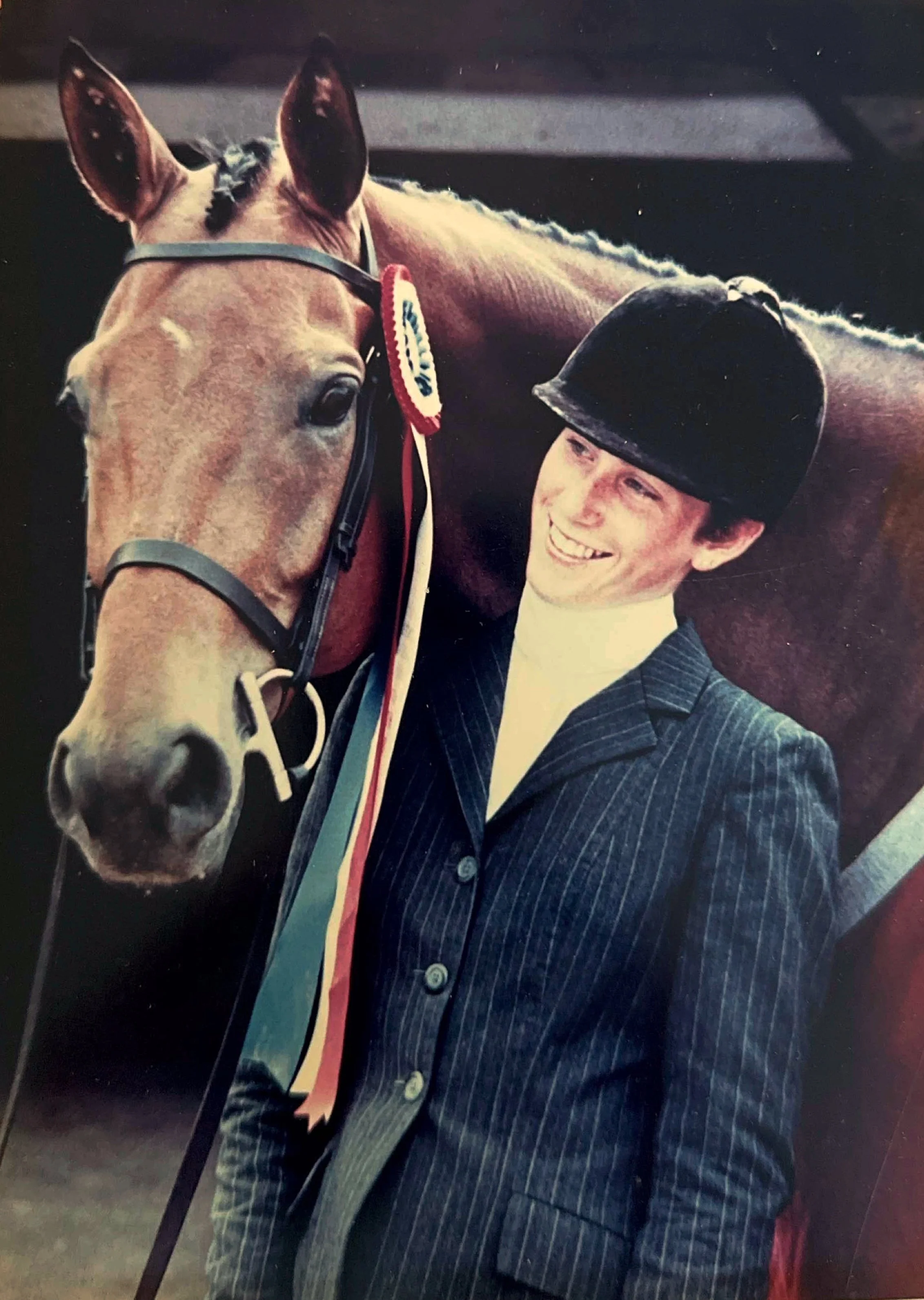
Idol Talk, affectionately known as "Billy," captured the hearts of all who had the privilege of witnessing his ability in the arena. Developed in the late 1980s by Canadian rider Dina Mazzola (Loube) and her trainer Terry Lee, Idol Talk rose to prominence as a champion in various competitions. His partnership with Loube resulted in numerous significant wins, including major Canadian junior hunter championships and a qualification for the 1986 Maclay final.
Following his remarkable early career, Idol Talk spent eight years under the care of Skidmore graduate Heather Parish and her family. Together, they achieved extraordinary success, clinching over 400 victories and securing the Zone 6 Small Junior Hunter Championship consistently from 1988 to 1992.
Class of 2020 Hall of Fame
SALLY BATTON
COACH
-
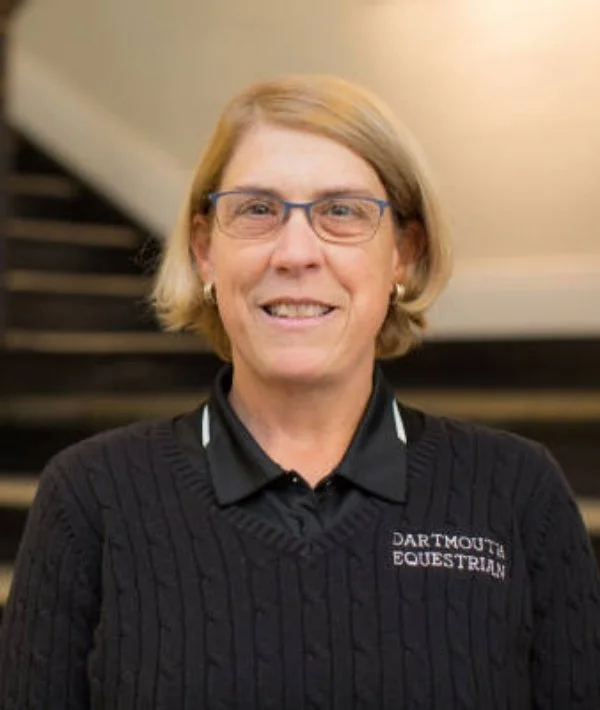
Sally Batton, from Canton, Ohio, coached and taught at Centenary University before accepting the position as head coach of the Dartmouth College Equestrian Team. Batton coached the Dartmouth team for 29 seasons and coached at the collegiate level for 35 years. She led the Dartmouth equestrian team to five Ivy League titles in 1997, 2007, 2010, 2014 and 2016.
Batton also sent numerous Dartmouth riders to the IHSA National Championship.
She served on the IHSA board of directors from 1984 to 2017, first as a regional president, then as chair of several committees and as IHSA national steward from 2001 to 2017.
In 2008, Batton was named the American Riding Instructors Association (ARIA) Instructor of the Year and is an ARIA certified Level III hunter seat trainer and a United States Hunter Jumper Association certified trainer.
Batton was awarded the IHSA Lifetime Achievement Award in 2013. She retired in 2019 and continues her support of collegiate riding through her Athletic Equestrian podcast, her book, The Athletic Equestrian, co-written with fellow former IHSA coach Christina Keim, and the Athletic Equestrian League she founded in 2010.
ROBERT “BOB” CACCHIONE
FOUNDER
-
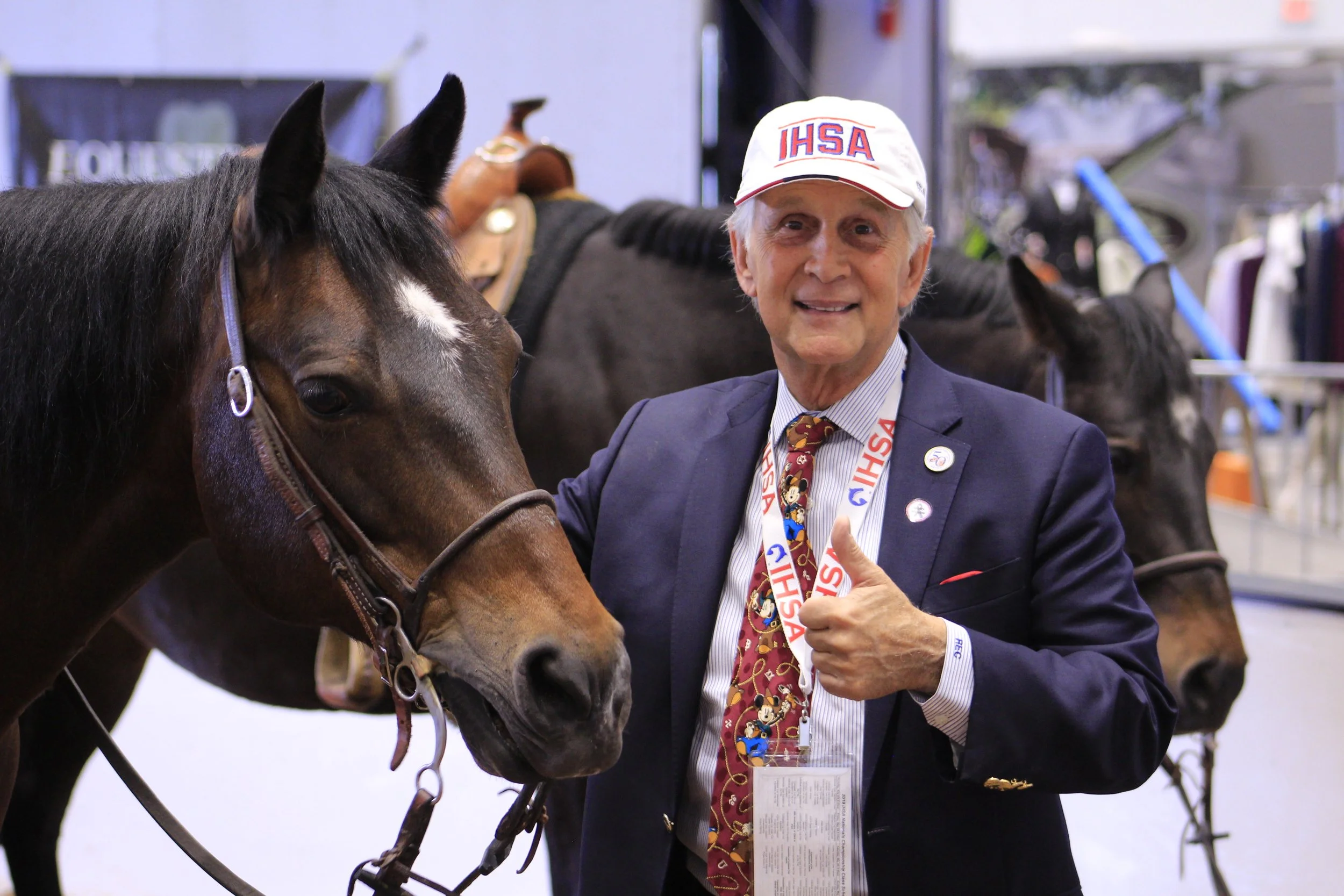
Bob Cacchione, from Harrison, New York, and now Fairfield, Connecticut, founded the IHSA, the first official collegiate riding and competition organization, in 1967. With as many as 250,000 men and women participating in the IHSA, he has profoundly impacted the equestrian world.
When he launched the program, he was just 18 and a student at Fairleigh Dickinson University in Teaneck, New Jersey. He made the organization his life’s work and passion. He served as IHSA executive director for over 52 years. The organization now has over 400 participating colleges and universities and 8,000+ members. Because the IHSA offers all levels of competition, from beginner through advanced and offers college students a way to learn how to ride, IHSA significantly contributes to the grassroots development of equestrian sports.
Cacchione has been recognized for his commitment to college riding with the IHSA Lifetime Achievement Award, the USHJA Presidents Distinguished Service Award, US Equestrian/EQUUS Foundation Humanitarian Award, a Doctor of Humane Letters from Centenary College and the Equine Industry Vision Award, sponsored by Zoetis and presented by American Horse Publications. He also served as vice chairman of the Gentlemen’s Committee of the National Horse Show at the Kentucky Horse Park. He retired from the executive director position in September 2019 and continues to promote the IHSA and serve as founder emeritus.
CINDY FORD
COACH
-
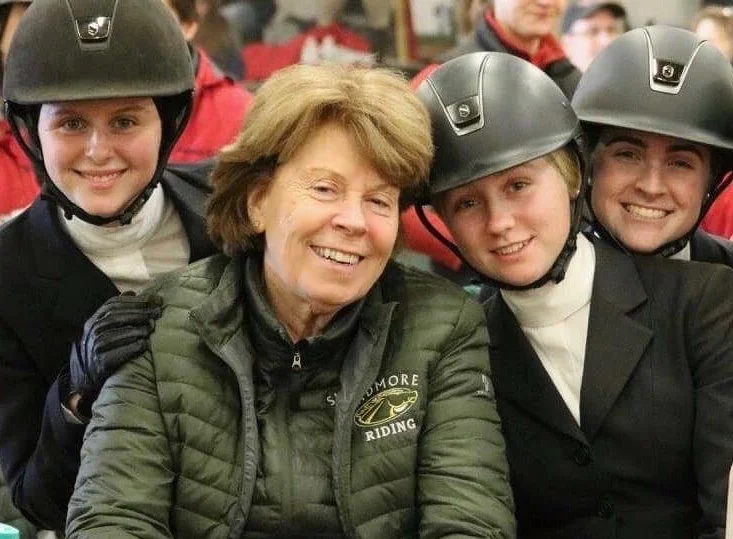
Originally from Albany, New York, Cindy Ford coached at Skidmore College in Saratoga Springs from 1988 to 2019. She is the winningest coach in the IHSA, having earned eight IHSA Team national championships.
Ford guided her first team to a repeat national championship in 1991 and then won national titles in 1995, 1996, 1999, 2010, 2013 and 2018.
Her peers honored Ford with the IHSA Lifetime Achievement Award in 2011.
Her 1991, 1995, and 1999 teams were inducted into the Skidmore Athletics Hall of Fame, along with Courtney Phibbs '97, one of her most decorated and successful riders.
In 2019, Ford announced her retirement. She then led her team to an unbeaten regular season, won Regional and Zone championships and finished fourth at IHSA Nationals.
JOHN “JACK” FRTIZ (1925-2012)
FOUNDER
-
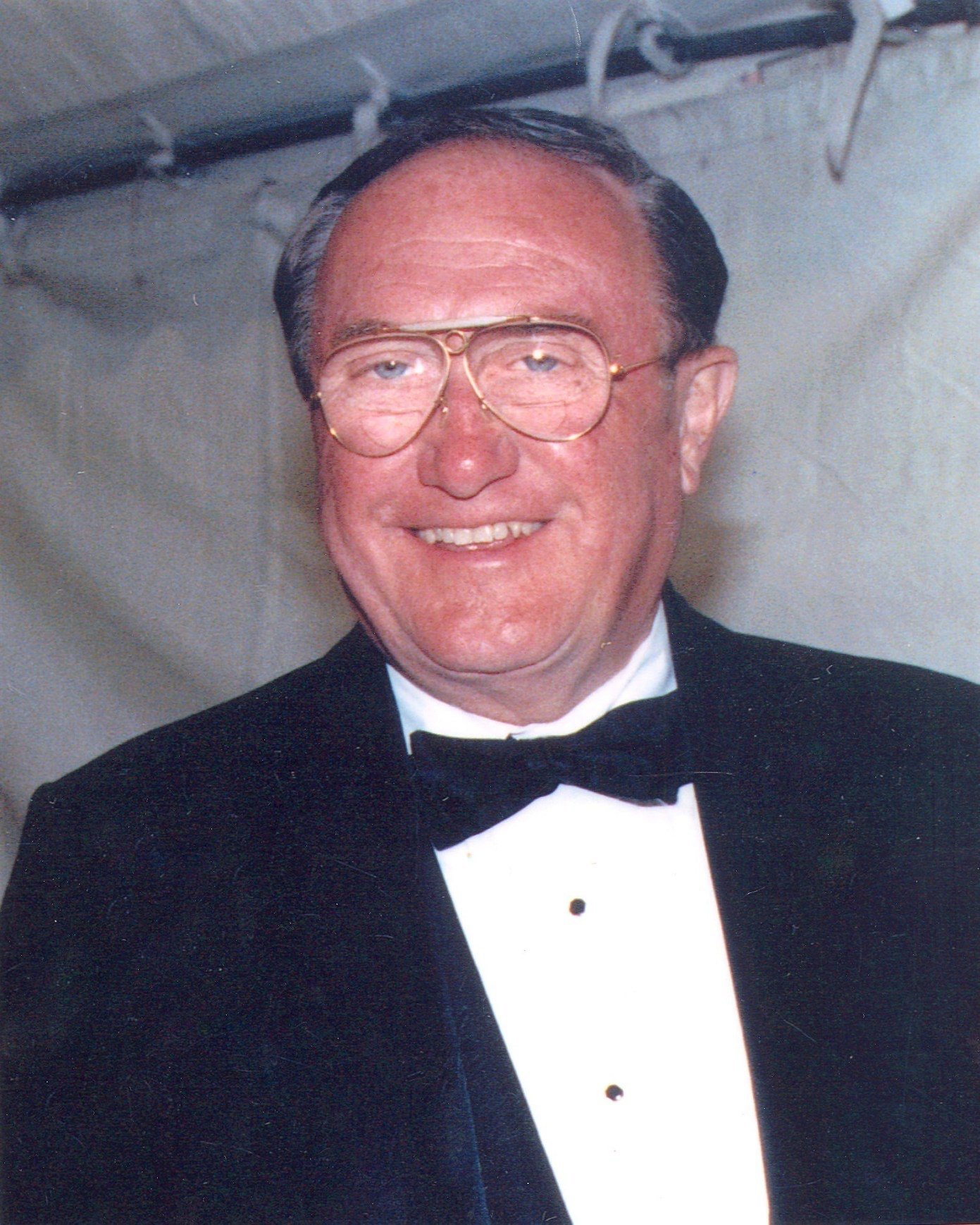
Jack Fritz was originally from Rockford, Illinois, and later from Gladstone, New Jersey. Fritz was the equestrian coach of Fairleigh Dickinson Madison, one of two inaugural teams that competed at the first IHSA horse show in 1967. He served as an adviser and mentor to Cacchione in the early days of the IHSA.
Fritz founded several key equestrian organizations, including the United States Combined Training Association (USCTA now the USEA) and the United States Dressage Federation (USDF). Fritz was a member of the United States Equestrian Team (USET) board of directors since the early 1960s, serving as USET vice president for administration and the chief executive officer from 1974-1989.
He served on various committees of the American Horse Shows Association (now USEF) and was a sustaining member of the United States Pony Club (USPC) since 1955 was named USPC governor in 1960 and in 1961 became a national examiner, a role he held for 30 years. He was elected president in 1981.
Fritz dedicated his life to equestrian sports, promoting the IHSA and the greater horse industry.
ELIZABETH “BEEZIE” MADDEN
RIDER
-
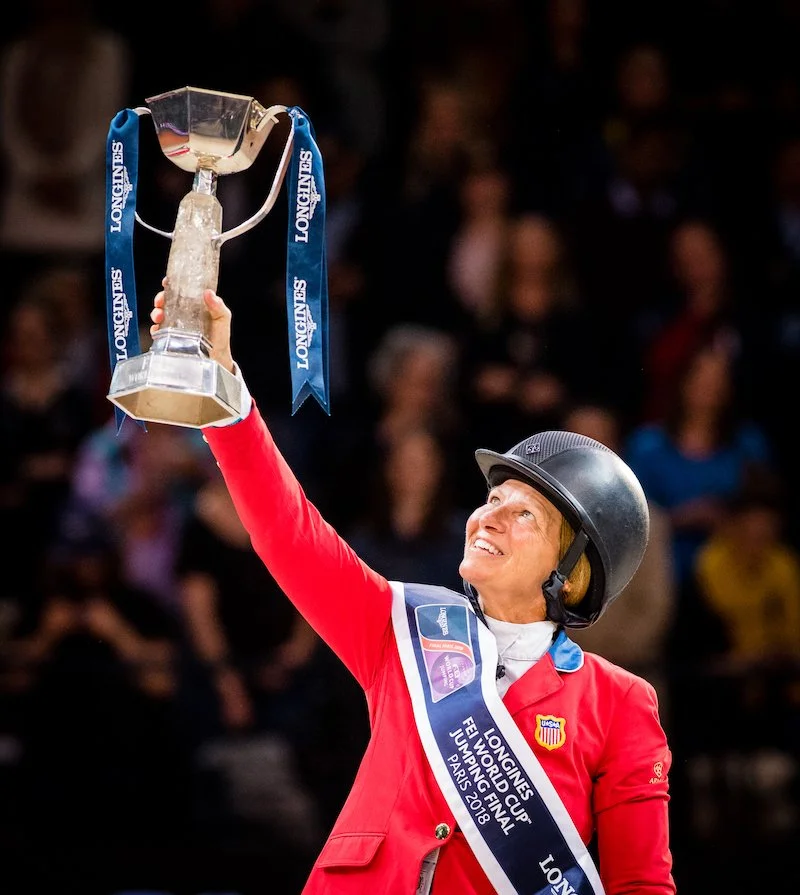
Beezie Madden, originally from Milwaukee, Wisconsin, was the 1984 IHSA Cacchione Cup winner as a member of the Southern Seminary team. She launched her grand prix show jumping career in 1985.
Madden was the first woman to achieve $1 million in earnings in show jumping. Madden is an Individual Olympic bronze medalist and was a member of the two gold medal U.S. teams from the 2004 and 2008 Olympic Games, where she rode Authentic. She was also a member of the U.S silver medal team in 2016 with Cortes 'C.' In 2013, Madden won the FEI World Cup Finals in Gothenburg, Sweden, aboard Simon. Madden followed up that win with a repeat in 2018 with Breitling LS. She became the first rider to win the $1 Million AIG HITS Grand Prix in all three locations offered in 2019, with her win with Darry Lou at HITS Thermal.
Madden is one of the greatest riders in U.S. history. In September 2019, she notched a second win of the CP International Grand Prix, earning the victory gallop of coveted $1 million event with Darry Lou.
Madden, who bases out of her farm in Cazenovia, New York, is a four-time recipient of the U.S. Equestrian Federation’s Equestrian of the Year award.
Photo by Shannon Brinkman
CINDY MOREHEAD
COACH
-
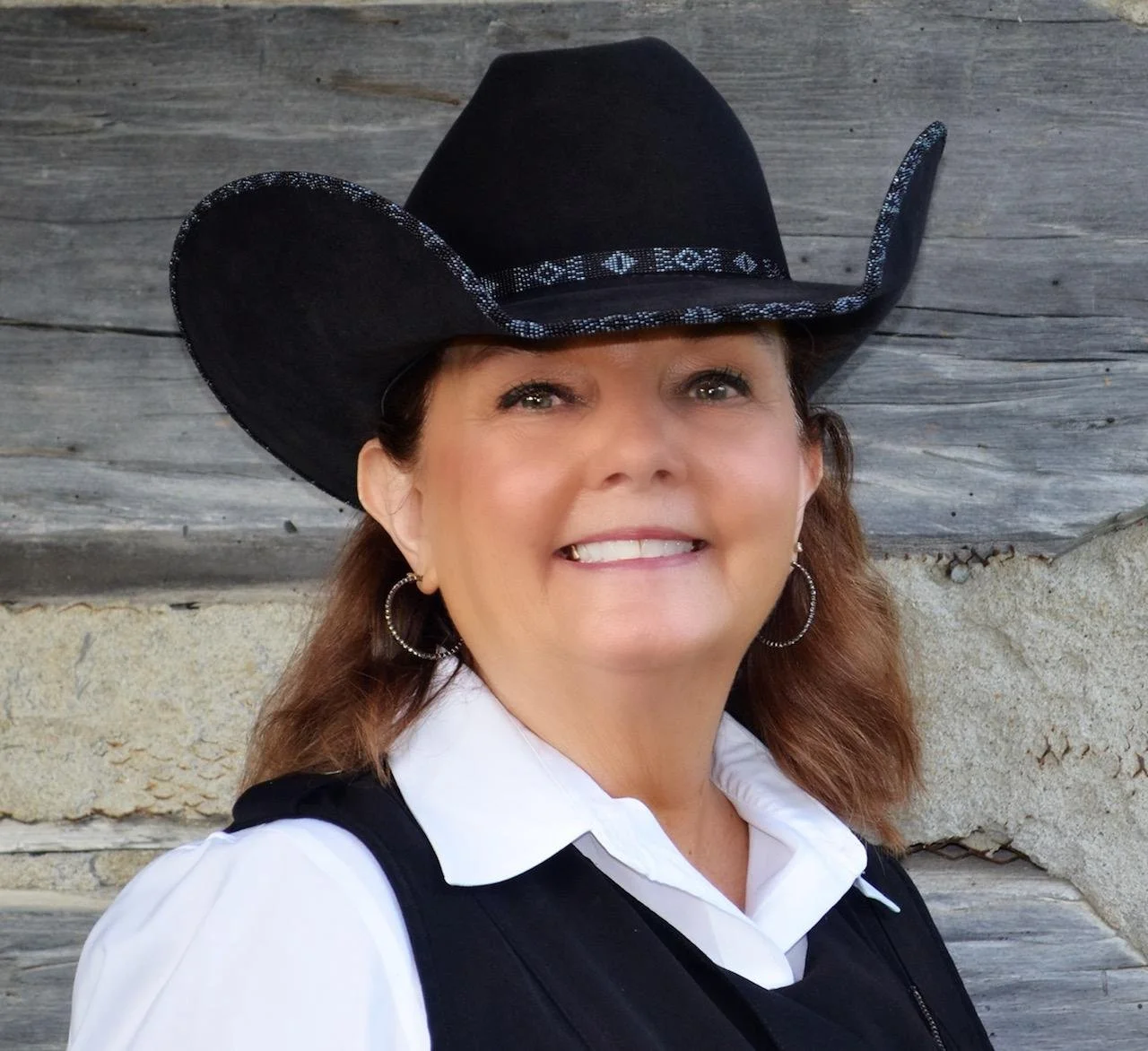
Cindy Morehead, from Milford, New Hampshire, joined the Findlay University equestrian program upon its inception in 1977 and served as the IHSA team coach from 2005 to 2017.
Morehead led the Findlay Western team to four national titles (2005, 2007, 2009, 2010). She also led the Oilers to four reserve national championships, coached four National Champion High-Point Western Riders, won 13 Regional Team Championships, 12 Semi-Final titles and coached 13 Regional High-Point Western Riders. During her tenure with the team, she coached 29 of her riders to capture national titles.
In 2018, the University of Findlay presented Morehead with the Lifetime Achievement Award, a part of the Oilers Athletic Hall of Fame, to honor outstanding individuals who have attained an extremely high level of success in their industry, sport or profession.
She is a long-standing director of the Ohio Quarter Horse Association. Morehead is also a well-respected clinician and judge.
J.T. TALLON (1953-2015)
COACH
-
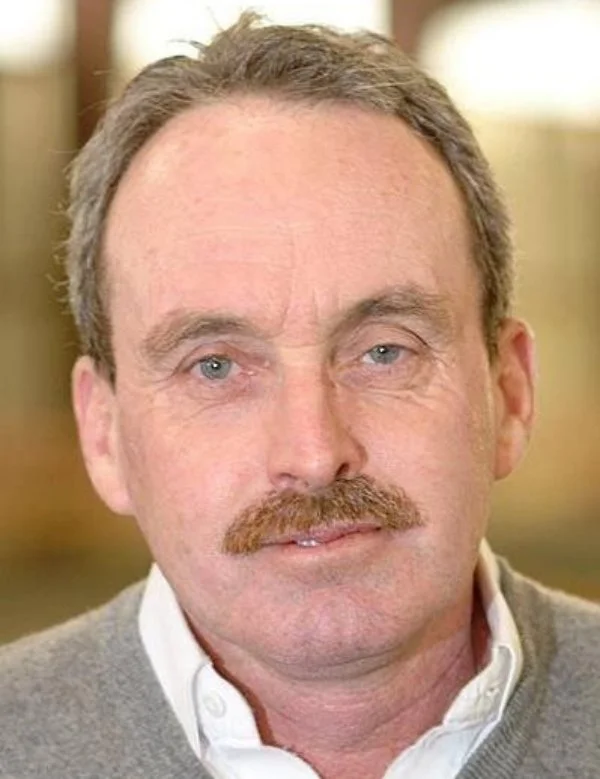
Born in Phoenixville, Pennsylvania, and later moved to Lexington, Virginia, J.T. Tallon coached the Southern Seminary and Randolph Macon Women’s College teams. With his leadership, he held the longest winning streak in IHSA history.
As an assistant coach for Southern Seminary, the team won four back-to-back national championships and, as the head coach and equestrian director for Southern Seminary, won the team title four times.
Tallon was known as an enthusiastic teacher and competition judge throughout the Virginia horse community. He retired from Randolph-Macon in 2011 and died in an automobile accident in 2015.
In 2016, Tallon was posthumously awarded the IHSA Pioneer Award for his contributions to collegiate riding.

CLIFFORD THE BIG RED HORSE
HORSE
-
For 14 years, “Clifford” was an IHSA star representing Cornell University as an athlete, a teacher and an institution. For the Cornell University Equestrian Team coaching staff, Clifford is more than just another horse: he is a colleague.
During his tenure at Cornell, this 16.3-hand warmblood gelding—donated by trainer Gary Duffy—was ridden by numerous IHSA hunt seat champions, taught countless riders from the beginner to Open divisions, and even helped vaulter Megan Benjamin prepare for the FEI World Equestrian Games.
Clifford helped to prepare CUET for many wins at the Ivy League Championship Show, their first IHSA Regional Championship in 2011, and the team’s first appearances at Zones and Nationals. Clifford competed at IHSA Nationals nine times, with each appearance in contention for Horse of the Year awards. In 2012, he was named the Leading Hunter Seat Horse at the IEA National Championships.
Clifford helped Cornell's program grow from a once-small club sports team into one of the most consistent and competitive varsity athletic teams at Cornell University.In Spring 2019, Clifford’s happy and healthy retirement came sooner than anticipated, at 23 years young.
Photo by Lisa Cameron